Considering liposuction for the first time can feel exciting—and overwhelming. Understanding how to prepare properly for fat removal surgery is critical to ensuring safe results, smooth recovery, and realistic expectations.
Liposuction is one of the most commonly performed cosmetic procedures worldwide, but its success depends heavily on patient preparation and surgical planning.
Before you schedule your procedure, here are five essential things you must know and do.
Fat removal surgery Preparation: Understanding What Liposuction Can and Cannot Do
The first and most important step before fat removal surgery is understanding its purpose.
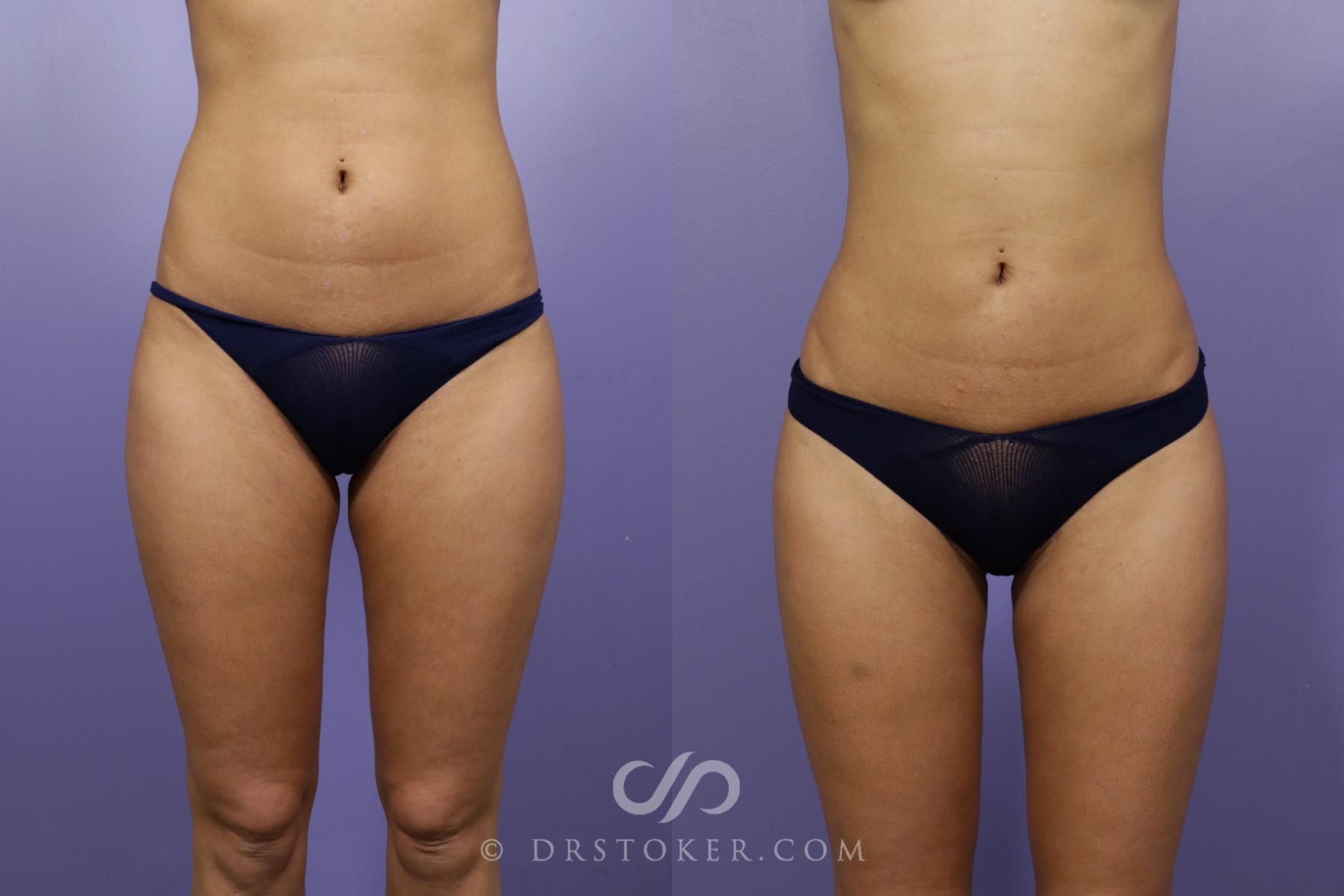
Liposuction is a body contouring procedure, not a weight-loss solution.
What It Can Do:
What It Cannot Do:
Treat obesity
Tighten loose skin significantly
Replace healthy lifestyle habits
Eliminate cellulite completely
Having realistic expectations is essential before undergoing fat removal surgery.
1. Choose a Qualified and DHA-Certified Surgeon
Your surgeon’s credentials directly impact your safety and outcome.
In Dubai, practitioners must be licensed by the Dubai Health Authority (DHA).
DHA certification ensures:
Verified surgical qualifications
Approved operating facilities
Strict infection control standards
Patient safety regulations
Never compromise on surgeon expertise when planning fat removal surgery. Ask about:
Safety always comes first.
2. Achieve a Stable and Healthy Weight
One of the most important requirements before fat removal surgery is being close to your ideal body weight.
Ideal candidates:
Are within 10–15% of target weight
Have good skin elasticity
Maintain a stable weight for several months
Do not smoke
If you are actively losing weight, it is better to wait. Significant weight changes after surgery can affect contour results.
3. Stop Smoking and Review Medications
Smoking significantly increases surgical risks. It reduces blood flow and delays healing.
Before fat removal surgery, you may be advised to:
Stop smoking at least 4 weeks prior
Avoid alcohol
Pause blood-thinning medications (if approved by your physician)
Disclose supplements like vitamin E or herbal remedies
Always provide a full medical history during consultation.
4. Understand the Different Liposuction Techniques
Not all fat removal surgery techniques are identical. Your surgeon may recommend:
Tumescent Liposuction
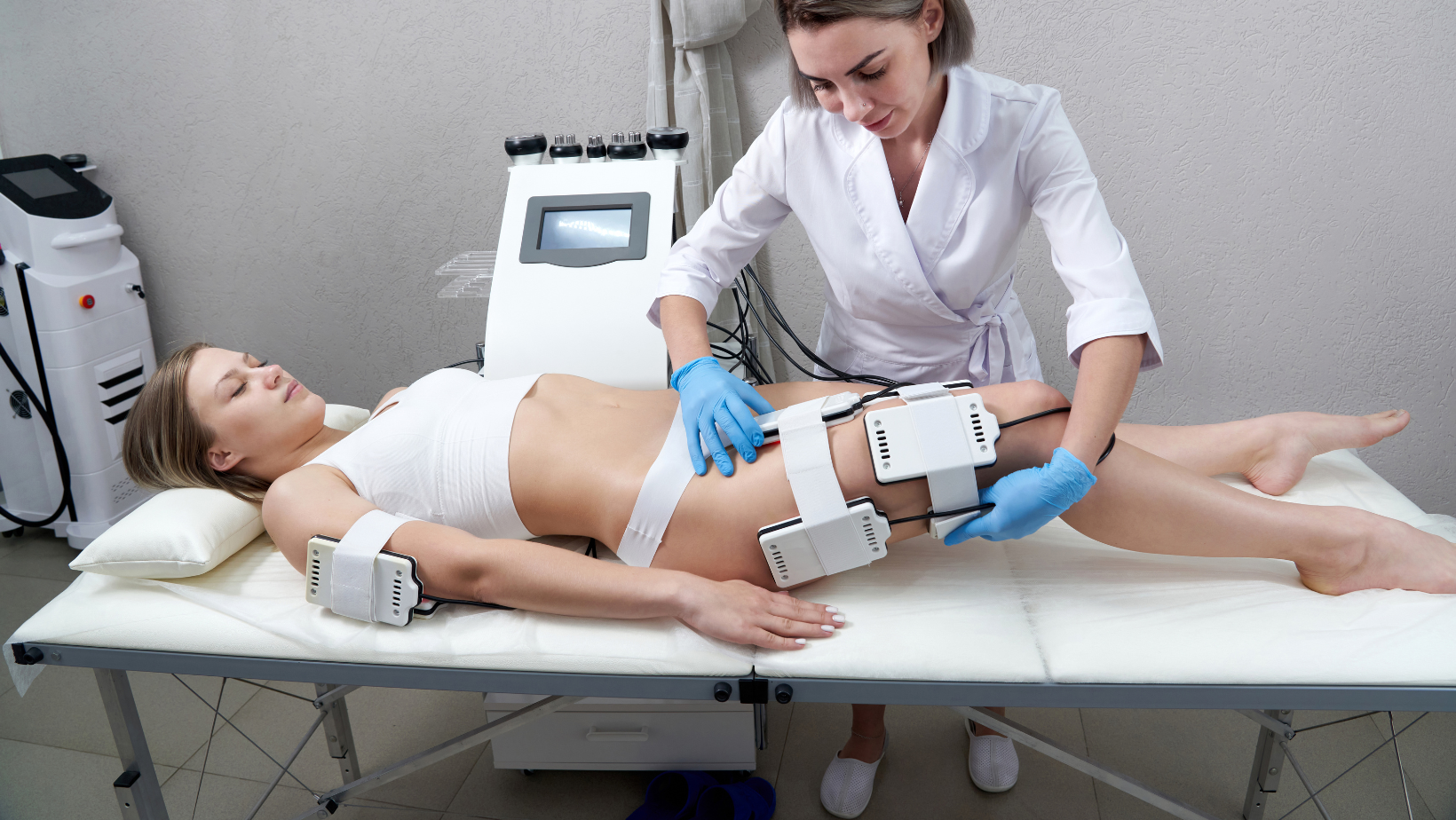
Laser-Assisted Liposuction
VASER Liposuction
Understanding technique differences helps you prepare for fat removal surgery more confidently.
5. Prepare for Recovery in Advance
Recovery planning is just as important as surgical preparation.
Before Surgery, Arrange:
Swelling, bruising, and mild discomfort are normal after fat removal surgery. Planning ahead reduces stress during healing.
What to Expect on the Day of Surgery
On the day of your procedure:
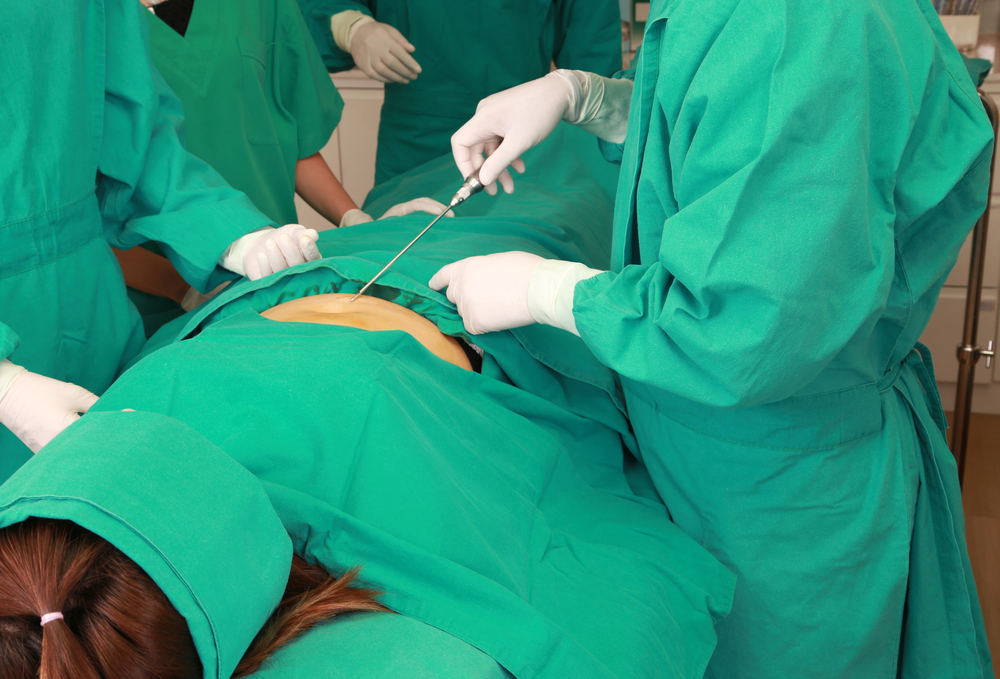
You will undergo anesthesia (local or general)
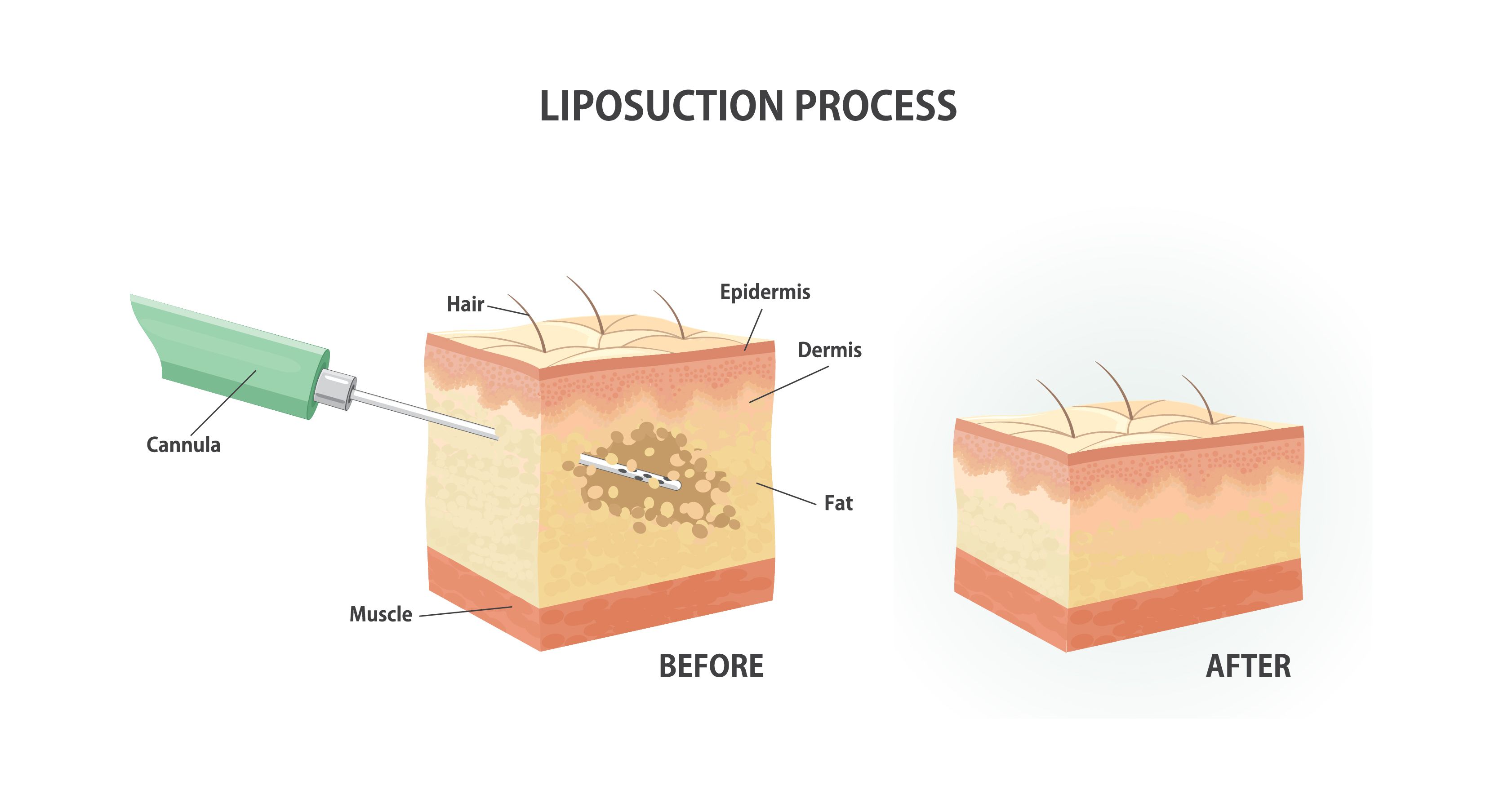
Small incisions are made
A cannula removes targeted fat
Compression garments are applied
The duration depends on the number of areas treated.
Understanding the surgical process reduces anxiety about fat removal surgery.
Risks You Should Be Aware Of
Although generally safe when performed by qualified surgeons, fat removal surgery carries risks.
Possible complications include:
Choosing a licensed surgeon and accredited facility significantly reduces risks.
Mental and Emotional Preparation
Cosmetic surgery also requires emotional readiness.
Ask yourself:
Am I doing this for myself?
Are my expectations realistic?
Do I understand that final results take time?
Visible swelling can last weeks. Full contour results may take 3–6 months after fat removal surgery.
Patience is essential.
Lifestyle Habits That Improve Results
Maintaining results after fat removal surgery requires:
Regular exercise
Balanced diet
Adequate hydration
Avoiding major weight fluctuations
While removed fat cells do not return, remaining fat cells can enlarge with weight gain.
Who Should Avoid Fat Removal Surgery?
You may not be an ideal candidate if you:
Have uncontrolled medical conditions
Have poor skin elasticity
Are significantly overweight
Are pregnant or breastfeeding
Have unrealistic expectations
A proper consultation determines suitability.