
Septoplasty in Dubai
Septoplasty in Dubai helps correct a deviated nasal septum using advanced surgical techniques designed to improve nasal structure, airflow balance, and long-term breathing comfort.
Improve Nasal Structure with Advanced Septum Correction Surgery
Before and After

What Is Septoplasty in Dubai?
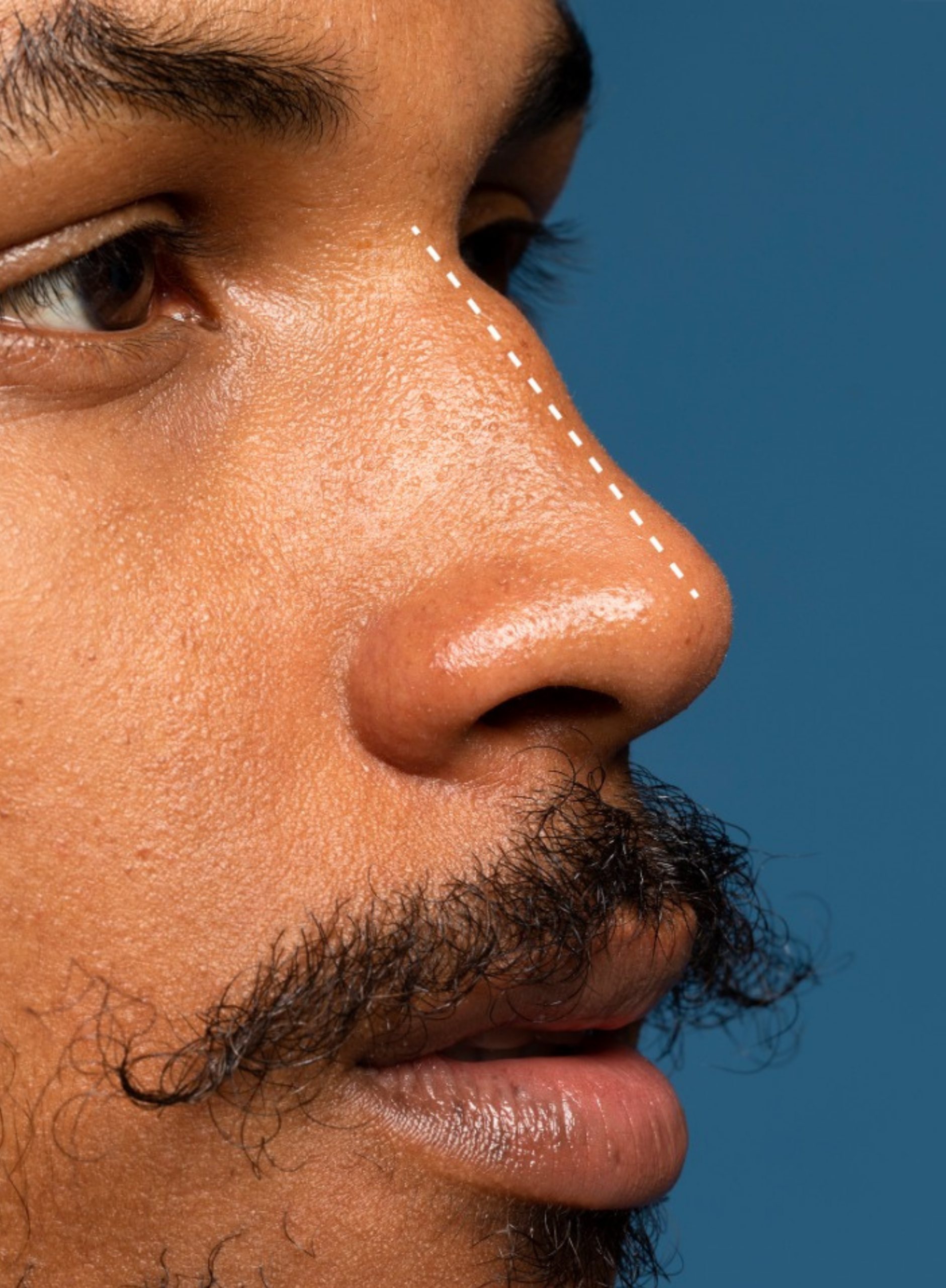
Septoplasty in Dubai at Cocoona corrects a deviated nasal septum the most common cause of chronic nasal obstruction and breathing difficulties. Using advanced surgical techniques, our DHA-certified surgeons straighten and reposition the septum to restore balanced nasal airflow, improve breathing comfort, and support long-term nasal health.
Modern Septoplasty in Dubai techniques emphasize precision structural correction, tissue preservation, and improved nasal function while maintaining natural nasal appearance. Every surgical plan is carefully customized according to nasal anatomy, structural deviation, and functional concerns. The procedure is designed to improve airflow efficiency and long-term breathing comfort while preserving balanced nasal support and stability.
Whether patients experience chronic nasal blockage, breathing issues, or structural nasal concerns, septoplasty surgery can provide long-lasting functional improvement and enhanced quality of life.
Septoplasty in Dubai
Why Choose Cocoona
At Cocoona, septoplasty procedures are performed using advanced nasal surgical techniques, personalized treatment planning, and precision structural correction methods to achieve safe and effective outcomes.
- Experienced DHA-Certified Surgeons
Our specialists have extensive expertise in advanced nasal and facial surgery with a strong focus on structural precision, patient safety, and functional improvement. - Advanced Septoplasty Techniques
We use modern cartilage and bone correction methods designed to improve nasal airflow while preserving natural nasal structure. - Personalized Treatment Planning
Every Septoplasty in Dubai procedure is customized according to septal deviation severity, nasal anatomy, and functional concerns. - Functional & Structural Balance
Our approach focuses on improving nasal airflow and breathing comfort while maintaining proper structural support. - Safety & Comfort First
Strict medical standards, advanced anesthesia care, and comprehensive post-operative monitoring help ensure patient comfort and safety. - Transparent Consultation & Pricing
Patients receive detailed evaluations, realistic expectations, and clear treatment guidance before surgery.
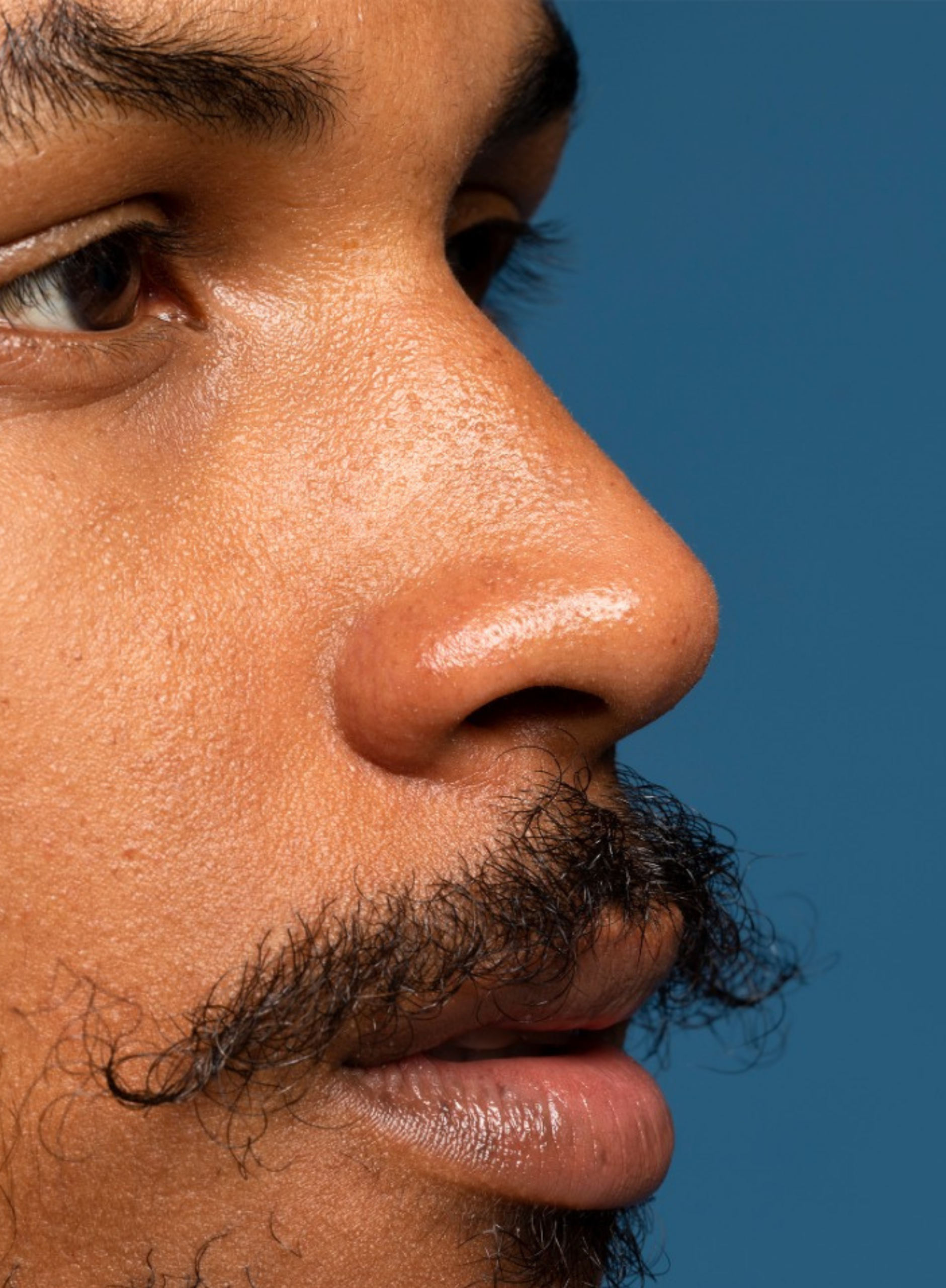
Types of Septoplasty in Dubai
- Standard Septoplasty
This procedure corrects deviated septal structures to improve airflow and breathing function. - Endoscopic Septoplasty
Advanced endoscopic techniques provide enhanced surgical precision and internal visualization during correction. - Functional Nasal Surgery
Comprehensive structural correction focuses on improving nasal airflow and internal balance. - Septoplasty with Nasal Structural Refinement
Some patients may require additional structural correction to optimize nasal support and airflow balance. - Combined Functional Nasal Procedures
Septoplasty may be combined with other medically necessary nasal procedures depending on structural concerns.
Your surgeon will recommend the most suitable surgical approach based on your anatomy and functional needs.


Benefits of Septoplasty in Dubai
- Improved Nasal Airflow
Septoplasty helps restore balanced airflow through the nasal passages. - Better Breathing Comfort
The procedure can reduce nasal obstruction and improve daily breathing quality. - Corrected Septal Deviation
Advanced surgical techniques straighten and stabilize internal nasal structures. - Enhanced Nasal Function
Septoplasty helps improve overall nasal airflow efficiency and structural balance. - Long-Lasting Results
Modern septoplasty techniques provide durable structural correction and functional improvement. - Improved Sleep Quality
Many patients experience improved breathing comfort during rest and sleep. - Personalized Surgical Care
Every procedure is tailored according to individual nasal anatomy and functional concerns.
Septoplasty in Dubai
What to Expect?
- Pre-Procedure Preparation
Patients receive detailed preparation instructions regarding medications, smoking avoidance, hydration, and surgical readiness. - Surgical Day
The surgery is performed in a fully equipped medical facility using advanced anesthesia and surgical monitoring protocols. - Precision Septal Correction
The surgeon carefully corrects internal nasal structures while preserving natural support and stability. - Initial Recovery Phase
Swelling, mild congestion, temporary discomfort, and nasal sensitivity are expected during the early healing period. - Nasal Support & Healing
Internal support materials or splints may be used temporarily to stabilize healing structures. - Follow-Up Appointments
Scheduled post-operative visits help monitor healing progress and optimize long-term functional outcomes.
Advanced Septoplasty Surgical Techniques
- Modern Septoplasty in Dubai procedures focus on precise structural correction while preserving natural nasal stability and airflow balance.
- During surgery, the surgeon carefully accesses the internal septal structures through hidden incisions inside the nose. Deviated cartilage and bone sections are reshaped, repositioned, or refined to improve airflow and restore internal alignment.
- Advanced surgical planning helps preserve structural integrity while minimizing unnecessary tissue removal. Every correction is customized according to nasal anatomy, deviation severity, and long-term functional goals.
- Precision support techniques help maintain stable nasal structure and improve healing outcomes after surgery.
- The goal of advanced septoplasty surgery is not simply correcting septal deviation but restoring proper airflow, structural balance, and long-term breathing comfort.

How Septoplasty in Dubai Works
Septoplasty in Dubai involves several carefully planned surgical stages designed to correct septal deviation safely and effectively.
- Consultation & Nasal Assessment
Your surgeon evaluates nasal airflow, septal structure, breathing concerns, and internal nasal anatomy to create a personalized surgical plan. - Surgical Planning & Structural Analysis
Detailed examination helps determine the extent of septal correction needed for improved airflow and nasal balance. - Anesthesia Administration
The procedure is typically performed under general anesthesia or sedation depending on the surgical plan. - Septum Correction Procedure
The surgeon carefully reshapes, straightens, or repositions the deviated septal cartilage and bone structures. - Structural Refinement & Support
Advanced techniques help preserve proper nasal support and internal stability while improving airflow. - Recovery & Healing Support
Detailed aftercare guidance helps support healing, comfort, and long-term structural stability.
Who Is a Good Candidate for Septoplasty in Dubai?
You may be a good candidate if you:
- Experience difficulty breathing through the nose
- Have a diagnosed deviated septum
- Experience chronic nasal blockage or congestion
- Have nasal airflow imbalance
- Are in overall good health
- Have realistic expectations about surgery
- Want long-lasting structural correction and breathing improvement
Patients seeking improved nasal airflow and functional structural correction often benefit most from customized septoplasty procedures.


Septoplasty with Turbinate Reduction
In some patients, nasal obstruction is caused not only by a deviated septum but also by enlarged nasal turbinates the small bony structures inside the nose that humidify and filter air. When turbinates are swollen or enlarged, they can further restrict airflow even after septal correction.
At Cocoona, septoplasty can be combined with turbinate reduction in a single procedure to achieve the best possible improvement in nasal airflow. Your surgeon will assess whether turbinate reduction is appropriate during your pre-operative consultation.
Symptoms of a Deviated Septum
Many people live with a deviated septum without realising it. Common signs that may indicate a deviated septum include:
- Nasal obstruction difficulty breathing through one or both nostrils
- Chronic nasal congestion persistent stuffiness that does not resolve with medication
- Frequent nosebleeds due to dryness in the more exposed nasal passage
- Facial pain or pressure particularly around the nose, cheeks, and forehead
- Noisy breathing or snoring caused by turbulent airflow through a narrowed nasal passage
- Sleep disturbance difficulty breathing during sleep, affecting sleep quality
- Recurrent sinus infections poor nasal drainage increases susceptibility to sinusitis
- Preference for sleeping on one side to open the less obstructed nostril
If you experience one or more of these symptoms, a consultation with a DHA-certified surgeon at Cocoona can confirm whether a deviated septum is the cause and whether septoplasty is the right treatment.
What Causes a Deviated Septum?
A deviated septum can develop in two main ways:
- Congenital some people are born with a naturally off-centre septum, which may become more pronounced as the nose grows through childhood and adolescence
- Injury or trauma a broken nose, sports impact, or accident can displace the septum from its central position
In both cases, the deviation can worsen over time as nasal structures continue to develop. Septoplasty corrects the underlying structural cause permanently, unlike nasal sprays or decongestants which only manage symptoms temporarily.
Septoplasty Recovery Timeline
Days 1–3: Nasal congestion, mild swelling, and discomfort are expected. Internal nasal splints or packing may be in place. Rest at home with head elevated. Avoid blowing your nose.
Days 4–7: Splints or packing typically removed at day 5 to 7. Congestion begins to ease as swelling reduces. Most patients feel significantly more comfortable.
Weeks 2–3: Most patients return to work and daily activities. Breathing improvement becomes noticeably better as internal swelling continues to reduce.
Weeks 4–6: Light exercise can be resumed. Avoid contact sports or activities that risk nasal impact. Breathing continues to improve.
Months 3–6: Full breathing improvement is experienced as all internal swelling resolves. Nasal passages feel clear and open.
Long term: Septoplasty results are permanent. The corrected septum does not revert to its previous position.
Risks and Safety Considerations
Septoplasty is a surgical procedure and carries a degree of risk. At Cocoona, our DHA-certified surgeons follow strict protocols to minimise these risks and every patient deserves a fully informed decision before proceeding.
Common side effects (expected and temporary):
- Nasal congestion and swelling resolves within 2 to 3 weeks
- Mild discomfort or pressure around the nose and forehead
- Temporary numbness at the tip of the nose
- Minor bleeding during the first 24 hours
Less common risks:
- Incomplete correction rare; in very complex deviations a second procedure may be considered
- Septal perforation very rare; a small hole in the septum that may cause whistling
- Infection very low risk; antibiotics prescribed as standard
- Anaesthesia-related reactions fully assessed during pre-operative evaluation
How Cocoona minimises your risk:
- All procedures performed by DHA-certified surgeons only
- Comprehensive pre-operative nasal and medical assessment
- Advanced surgical monitoring throughout
- Dedicated aftercare and follow-up appointments
- 24-hour contact line during recovery
How Much Does septoplasty Cost in Dubai?
The cost of septoplasty in Dubai at Cocoona depends on:
- Complexity of the septal deviation and extent of correction required
- Whether turbinate reduction is performed simultaneously
- Whether the procedure is combined with rhinoplasty (septorhinoplasty)
- Type of anaesthesia and surgical time
All costs are presented transparently during your consultation with no hidden fees. Payment plans are available for eligible patients. Many patients find that septoplasty is covered under health insurance when performed for functional rather than cosmetic reasons check with your provider.
Our Doctors
Our procedures are performed by DHA-certified plastic surgeons with extensive experience in body contouring meet our team.

Dr. Sanjay Parashar
Plastic Surgeon | Founder, Cocoona Centre for Aesthetic Transformation ISAPS National Secretary (UAE) President, FUE Asia President, Doctors of Indian Origin UAE
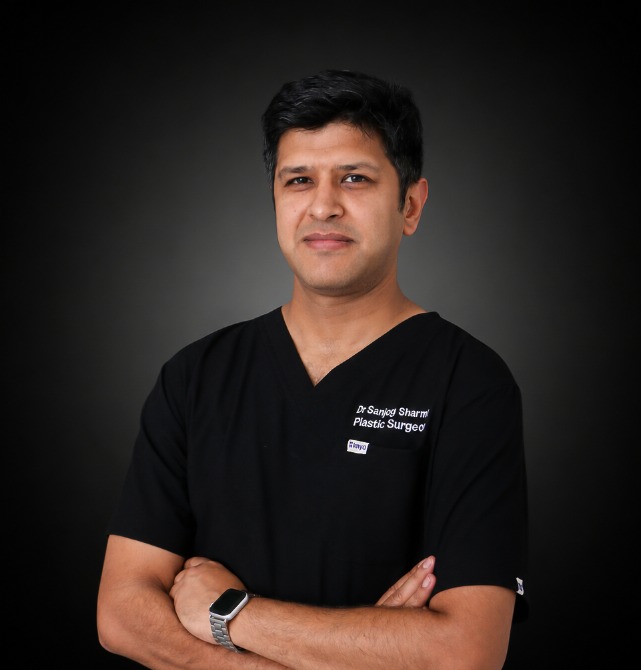
Dr. Sanjog Sharma
MBBS, MS (General Surgery), DNB (Plastic Surgery) Specialist Plastic Surgeon
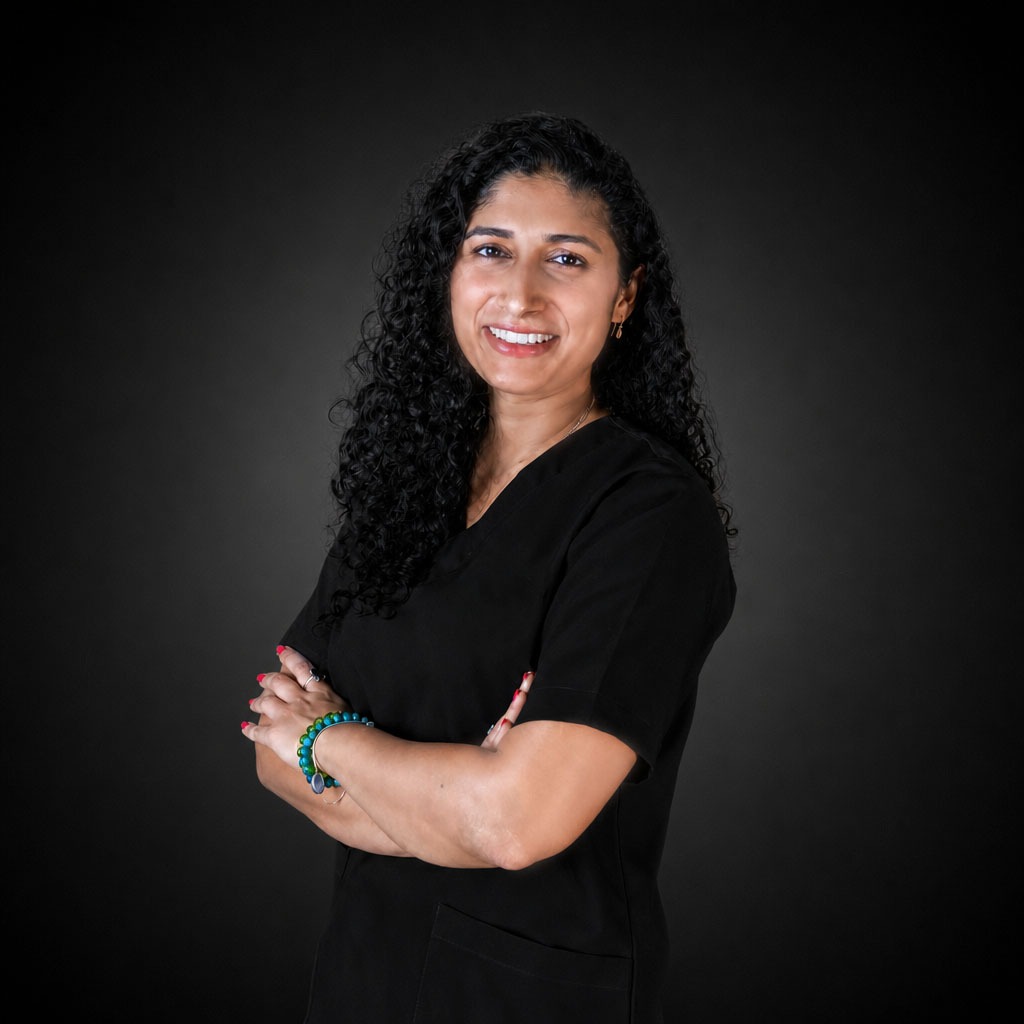
Dr. Shalini Salim
MBBS, MS, M.Ch. (Plastic & Reconstructive Surgery) Specialist Plastic Surgeon
Credentials You Can Trust:


Frequently Asked Questions
Is septoplasty in Dubai safe?
Yes. Septoplasty is safe and well-established when performed by DHA-certified surgeons in an accredited facility. At Cocoona, every patient undergoes a comprehensive pre-operative assessment including nasal evaluation, medical history review, and health screening to ensure surgical fitness.
Will there be visible scars after septoplasty?
No. Septoplasty incisions are placed entirely inside the nose. There are no external incisions and no visible scars after surgery.
How long does septoplasty surgery take?
The procedure typically takes 1 to 2 hours depending on the severity of the septal deviation and whether turbinate reduction or other procedures are performed simultaneously.
Is septoplasty painful?
The procedure is performed under anaesthesia so there is no pain during surgery. Mild nasal congestion, pressure, and soreness during the first few days of recovery are normal and well managed with prescribed medication.
How long is recovery after septoplasty?
Most patients return to light daily activities within 7 to 10 days. Strenuous exercise and contact sports should be avoided for 4 to 6 weeks. Breathing improvement becomes noticeable within weeks as internal swelling reduces.
Are the results permanent?
Yes. Septoplasty results are permanent. The corrected nasal septum does not revert to its previous position. Most patients experience lasting improvement in nasal airflow and breathing comfort following full recovery.
Can septoplasty improve breathing?
Yes. Septoplasty is specifically designed to correct the structural cause of nasal obstruction a deviated septum and restore balanced nasal airflow. Most patients experience significant breathing improvement after full recovery.
Are your surgeons DHA-certified?
Yes. All septoplasty procedures at Cocoona in Dubai are performed by DHA-certified surgeons, ensuring every treatment meets the strict regulatory, safety, and professional standards set by the Dubai Health Authority.
Evaluation Form
Begin Your Nasal Health Journey
If nasal blockage, breathing difficulty, or septal deviation is affecting your comfort and quality of life, Septoplasty in Dubai at Cocoona offers a safe, advanced, and personalized surgical solution designed to improve airflow, restore structural balance, and support long-term breathing comfort.