
Fat Transfer Breast Augmentation in Dubai
Fat transfer breast augmentation enhances breast size and shape using your own body fat creating a natural, proportional, and rejuvenated silhouette.
Natural Volume and Beautiful Contours with Fat Grafting
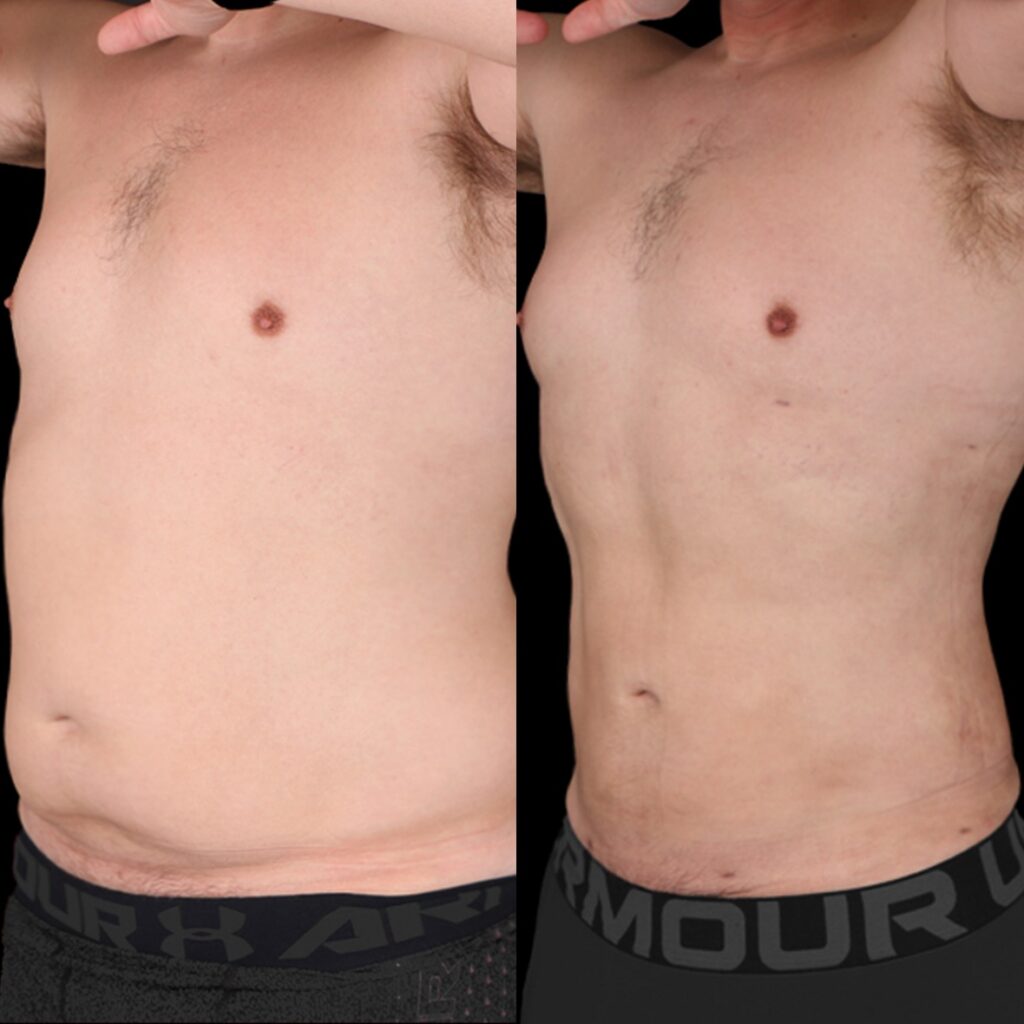
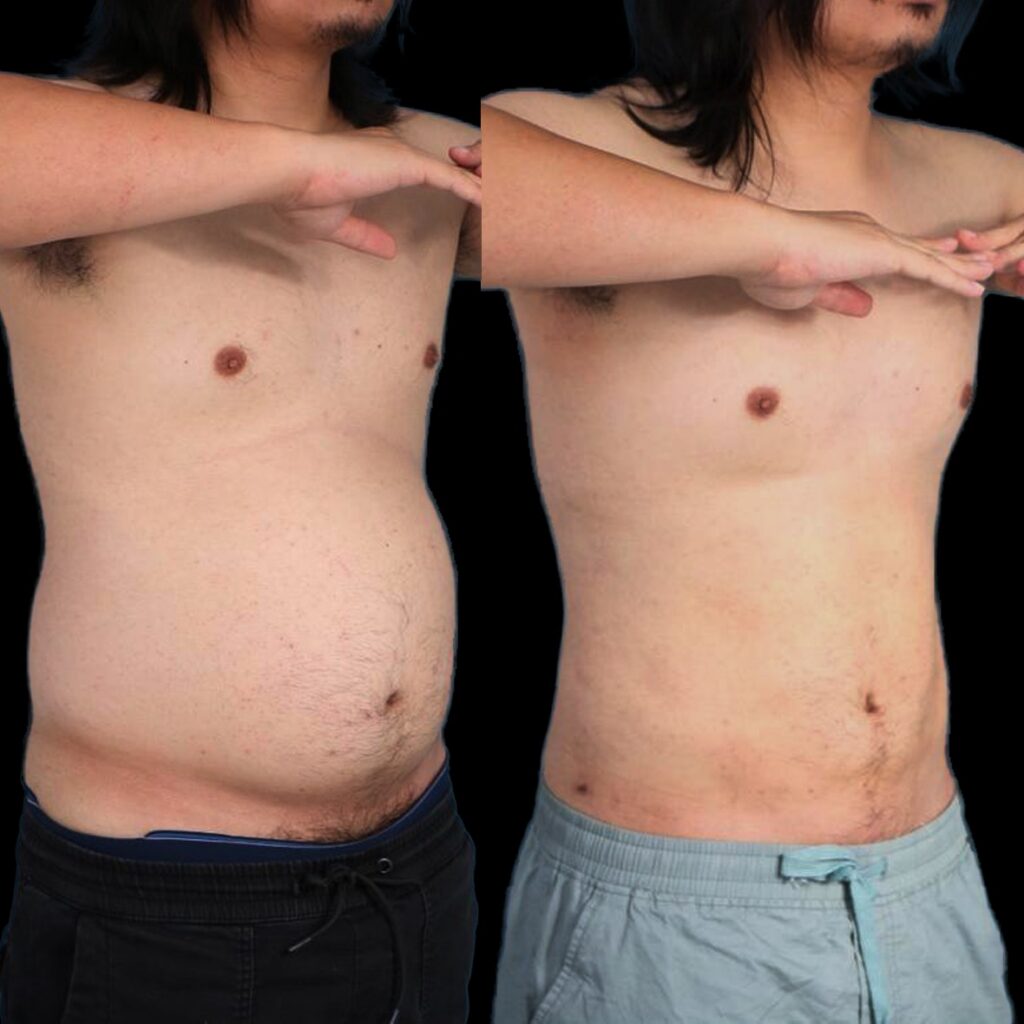
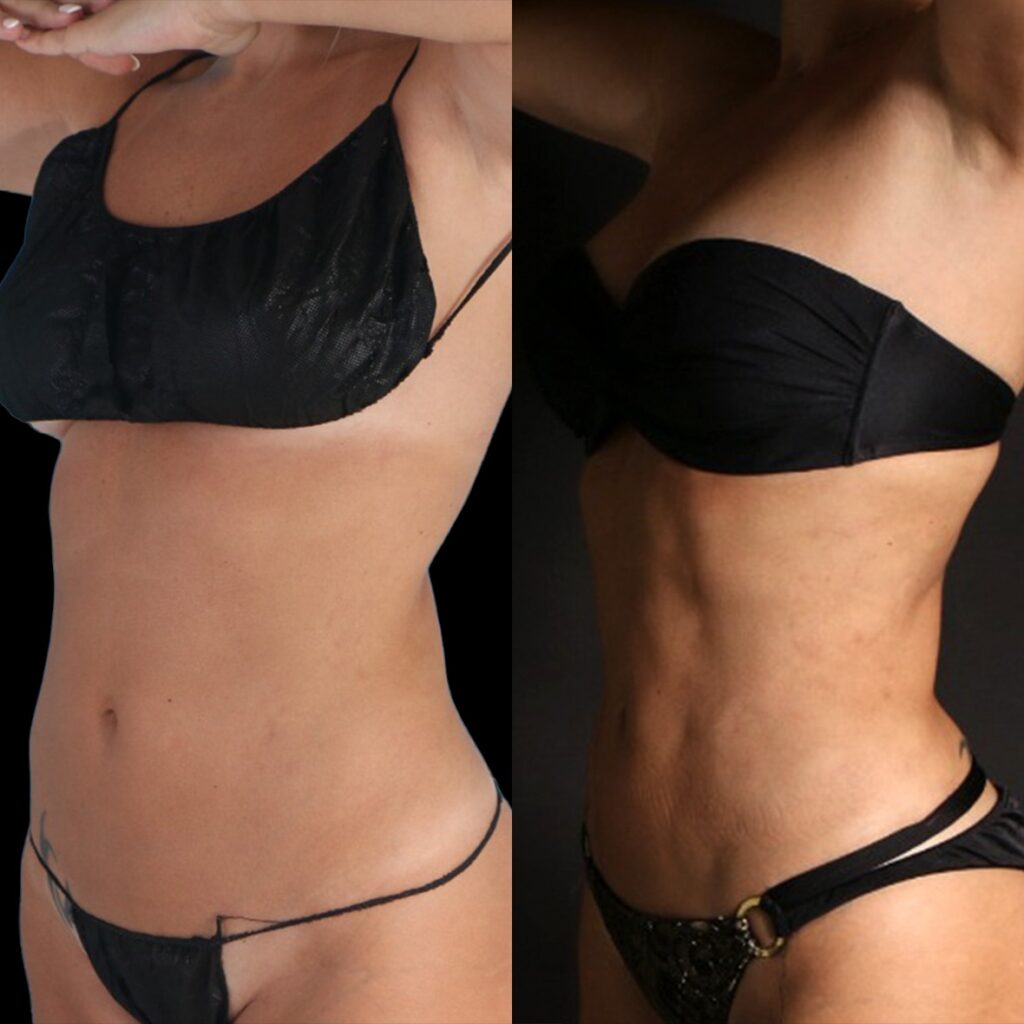
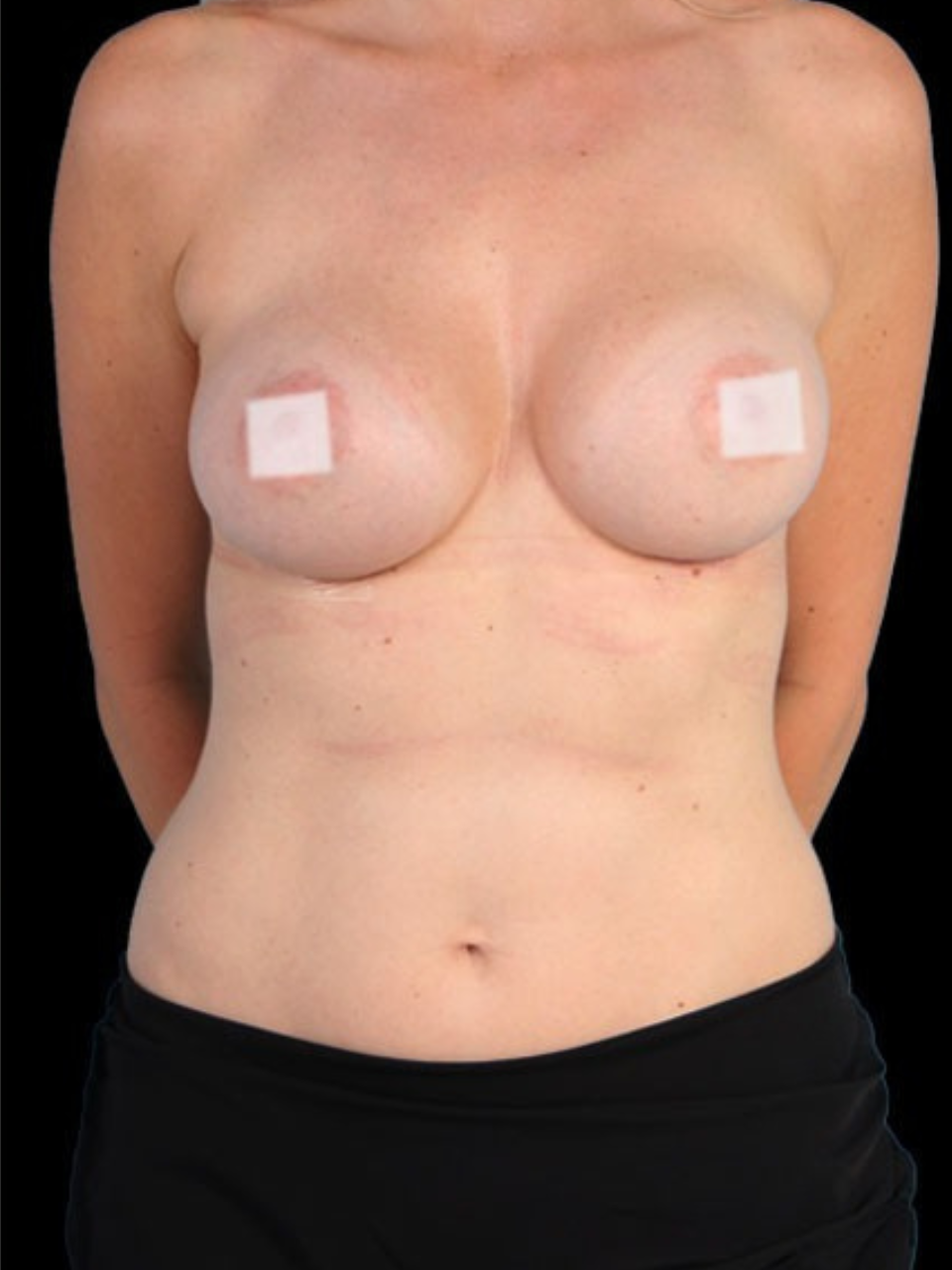
Before and After

What Is Fat Transfer Breast Augmentation?
Fat transfer breast augmentation in Dubai also known as fat grafting or autologous breast augmentation is a minimally invasive procedure that harvests your own body fat via liposuction and injects it into the breasts to enhance volume, shape, and symmetry naturally. The result is fuller, softer breasts without implants while simultaneously slimming the donor area.
Fat transfer is ideal for patients who desire modest volume improvement, restoration after pregnancy, or a softer, more natural feel. It is also a key component of Breast Augmentation with Fat Transfer, offering a balanced alternative to traditional implant-based methods.
Because the procedure uses purified fat from your own body, it reduces the risk of foreign body reactions and provides a smoother texture. Similar fat grafting techniques are also used in procedures such as Butt Augmentation, Chin Augmentation, and Labiaplasty by Lipofilling to enhance contour and restore volume naturally.
Fat Transfer Breast Augmentation
Why Choose Cocoona
- DHA-Certified Surgeons
Our expert surgeons are specialized in body contouring and fat grafting techniques for precise, natural results. - Customized Fat Harvesting & Placement
Fat is carefully collected from donor sites and sculpted to enhance breast shape with optimal symmetry. - Minimally Invasive Approach
Small, precise injections reduce downtime and recovery while ensuring smooth contours. - Natural & Long-Lasting Results
Fat cells survive in their new location to provide durable volume and a soft, natural appearance. - Personalized Consultation & Care
Every procedure is tailored to your anatomy, goals, and lifestyle for safe and aesthetically pleasing outcomes.
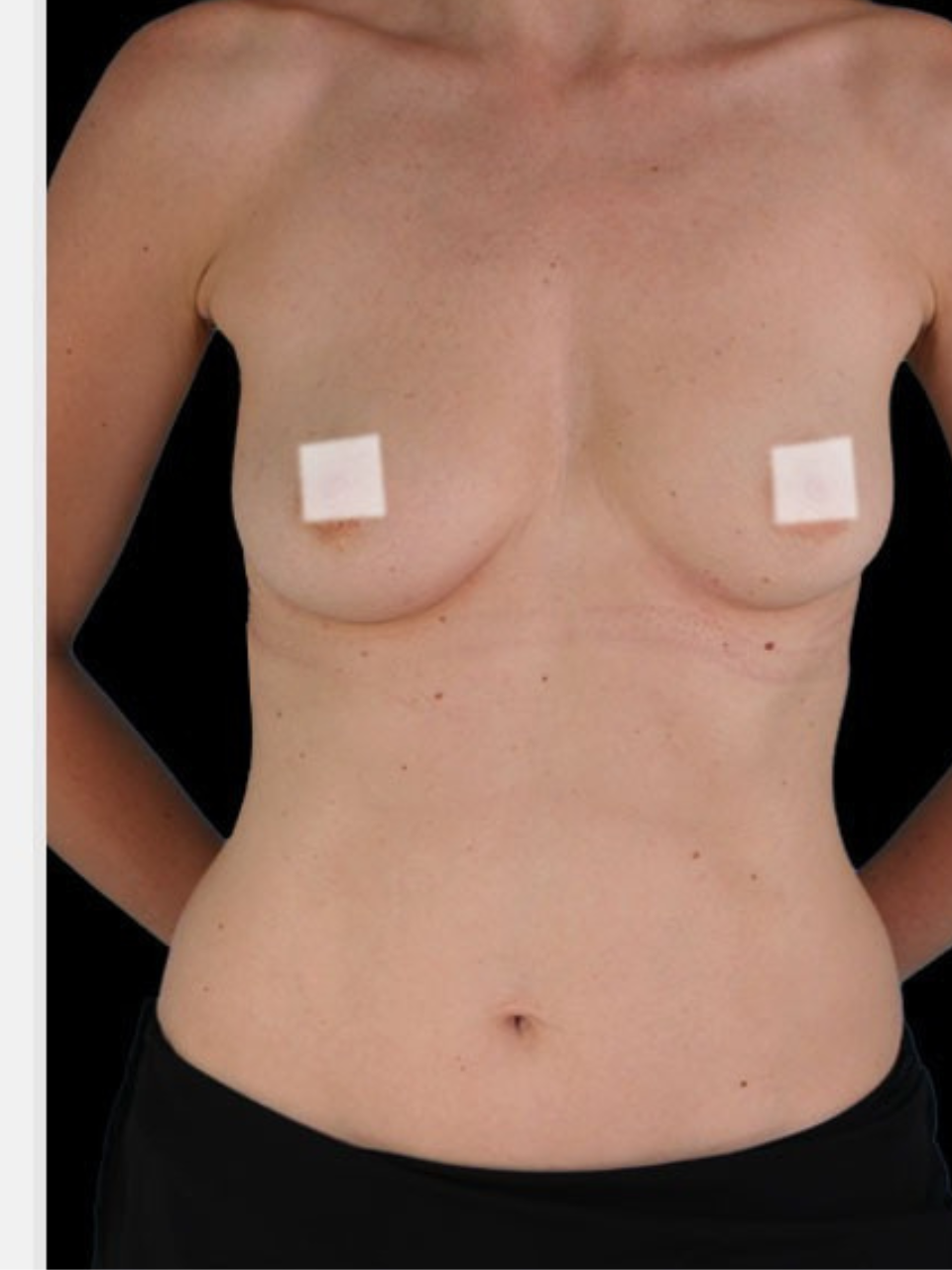
Areas Enhanced with Fat Transfer
- Breast fullness
- Cleavage definition
- Upper pole volume
- Natural contour and symmetry
Overall body proportion (fat removal from donor sites also sculpts body)


Types of Fat Transfer Breast Augmentation
- Pure Fat Transfer Breast Augmentation
Uses only your own purified fat to naturally enhance breast volume and shape without implants. - Hybrid Breast Augmentation (Fat Transfer + Implants)
Combines breast implants with fat transfer to achieve both volume and softer, more natural contours. - Structural Fat Grafting
Places fat in multiple tissue layers to improve fat survival, breast shape, and long-term volume retention. - Composite Breast Augmentation
Enhances both breast volume and surrounding contours (cleavage, upper pole, and décolletage) using advanced fat placement techniques. - Breast Contour Enhancement with Fat Transfer
Focuses on reshaping and smoothing breast contours, correcting asymmetry, and improving overall breast proportion. - Post-Pregnancy or Weight Loss Breast Restoration
Uses fat transfer to restore lost volume and improve breast fullness after pregnancy, breastfeeding, or significant weight loss. - Revision Breast Augmentation with Fat Transfer
Corrects irregularities, rippling, or asymmetry from previous breast surgeries using fat grafting for natural refinement. - Reconstructive Fat Transfer to the Breasts
Used to improve breast shape and volume after medical or reconstructive procedures.

Understanding Fat Survival After Transfer
Fat transfer results depend on how many transferred fat cells successfully survive and integrate into the breast tissue. Understanding this helps set realistic expectations:
- Approximately 60 to 70% of transferred fat survives permanently and integrates into the breast
- The remaining 30 to 40% is naturally reabsorbed by the body within the first 3 to 6 months
- Surgeons account for this reabsorption during the procedure by slightly over-grafting to the planned final volume
- Final results stabilise fully at 3 to 6 months once reabsorption is complete
Factors that improve fat survival:
- Careful fat harvesting using gentle liposuction to preserve fat cell viability
- Advanced purification centrifugation or washing to remove damaged cells and fluid
- Precise micro-injection technique placing fat in multiple small layers across different tissue planes
- Avoiding pressure on breasts for 2 to 4 weeks post-procedure
At Cocoona, our surgeons use advanced fat processing and grafting protocols to maximise survival rate and long-term results.
Benefits of Fat Transfer Breast Augmentation
- Natural Volume Enhancement
Using your own tissue for realistic shape - Dual Contouring
Reduces unwanted fat in donor areas while enhancing breasts - Minimal Scarring
Tiny injection sites heal quickly and discreetly - Customizable Results
Fat placement is tailored to your body’s natural curves - Boosted Confidence
Enhances breast aesthetics with a soft, natural feel
Fat Transfer Breast Augmentation
What to Expect?
- Consultation & Assessment
Surgeons evaluate donor fat sites and breast anatomy to design a personalized plan. - Surgical Day
Fat is harvested via liposuction, purified, and strategically injected into the breasts for natural enhancement. - Recovery & Aftercare
Mild swelling or bruising is normal; compression garments and post-procedure care support healing. - Follow-Up
Scheduled visits ensure fat retention, breast symmetry, and satisfaction with results.
Who Is a Good Candidate for a Fat Transfer Breast Augmentation ?
Ideal candidates for fat transfer breast augmentation:
- Desire subtle, natural breast enhancement
- Have enough donor fat for grafting
- Prefer an implant-free procedure
- Are in good overall health
- Seek improved body harmony and contours


Fat Transfer Breast Augmentation Recovery Timeline
Days 1–3: Swelling and bruising in both the donor areas (abdomen, thighs, or flanks) and the breasts. Compression garment worn on donor areas. Avoid pressure on the breasts do not sleep face down.
Days 4–7: Discomfort eases. Most patients manage basic daily tasks. Light walking encouraged for circulation.
Weeks 2–3: Most patients return to desk-based work. Donor area bruising fades. Breast swelling continues to reduce gradually.
Weeks 4–6: Light exercise can be resumed. Continue avoiding direct pressure on the breasts. Fat integration continues beneath the surface.
Months 3–6: Fat reabsorption completes and surviving fat cells are permanently integrated. Final breast volume and shape clearly visible.
Long term: Surviving transferred fat cells are permanent. Significant weight loss can reduce breast volume as fat cells shrink throughout the body.
Risks and Safety Considerations
Fat transfer breast augmentation carries a lower risk profile than implant surgery but it is still a surgical procedure. At Cocoona, DHA-certified surgeons follow strict protocols to minimise all risks.
Common side effects (expected and temporary):
- Swelling and bruising at donor and recipient sites resolves within 2 to 4 weeks
- Temporary firmness or lumpiness in the breast resolves as fat integrates
- Mild discomfort at donor liposuction sites
Less common risks:
- Fat necrosis small areas of fat that do not survive may form firm lumps usually resolves naturally or managed at follow-up
- Oil cysts rare; managed if symptomatic
- Infection very low risk; antibiotics prescribed as standard
- Insufficient volume retention some patients require a second session for additional volume
How Cocoona minimises your risk:
- DHA-certified surgeons with expertise in advanced fat grafting techniques
- Gentle fat harvesting to maximise cell viability
- Advanced purification protocols before injection
- Micro-injection technique across multiple tissue planes for optimal survival
- Dedicated aftercare and follow-up schedule
How Much Does Fat Transfer Breast Augmentation Cost in Dubai?
The cost of fat transfer breast augmentation in Dubai at Cocoona depends on:
- Volume of fat to be harvested and transferred
- Number of donor areas treated with liposuction
- Whether the procedure is combined with other contouring (e.g. tummy tuck, hybrid augmentation)
- Surgical time and anaesthesia
All costs are presented transparently during your consultation with no hidden fees. Payment plans are available for eligible patients.
Our Doctors
Our procedures are performed by DHA-certified plastic surgeons with extensive experience in body contouring meet our team.

Dr. Sanjay Parashar
Plastic Surgeon | Founder, Cocoona Centre for Aesthetic Transformation ISAPS National Secretary (UAE) President, FUE Asia President, Doctors of Indian Origin UAE
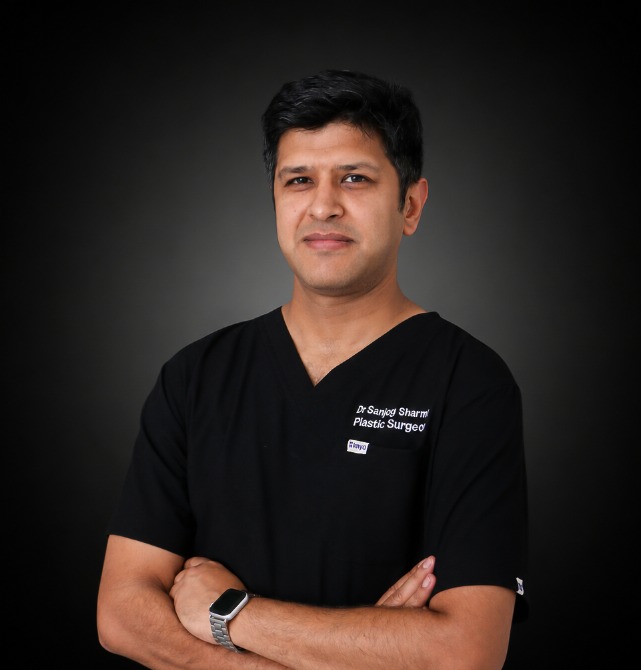
Dr. Sanjog Sharma
MBBS, MS (General Surgery), DNB (Plastic Surgery) Specialist Plastic Surgeon
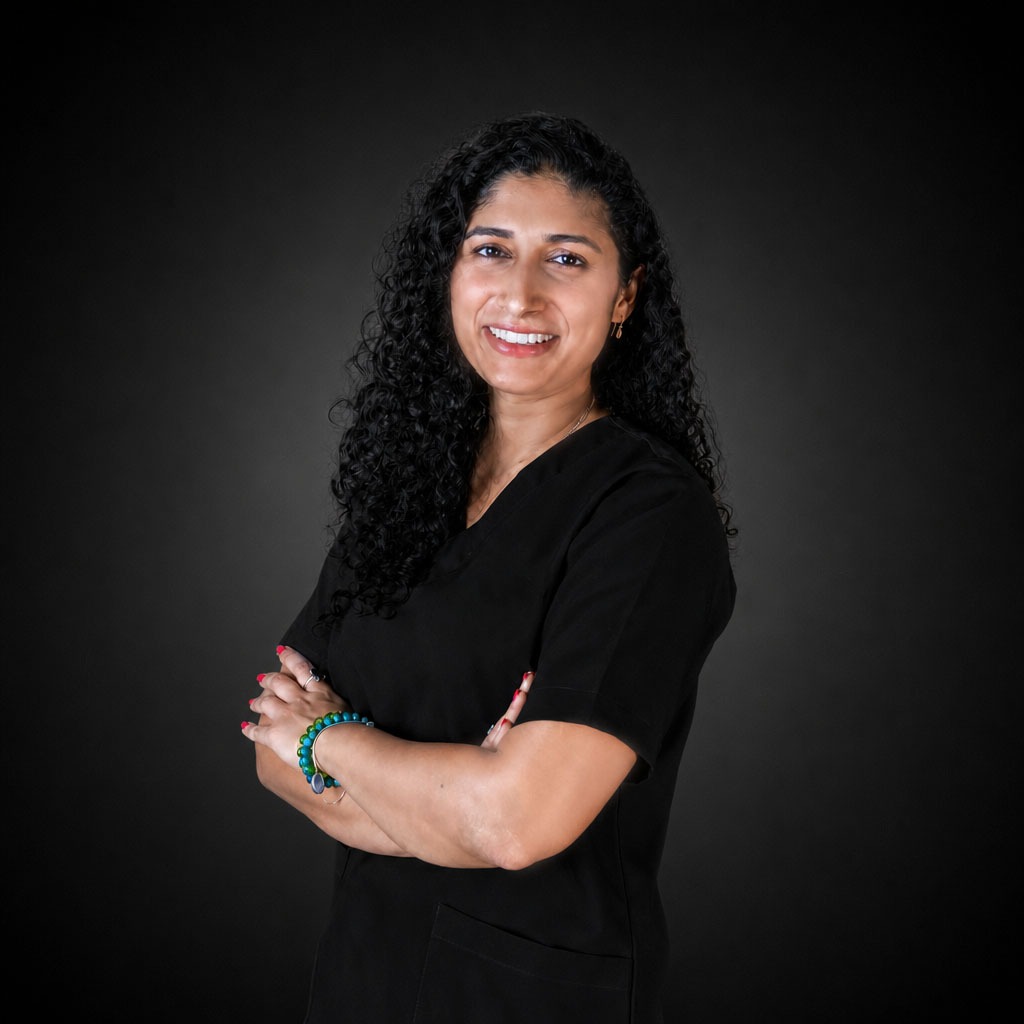
Dr. Shalini Salim
MBBS, MS, M.Ch. (Plastic & Reconstructive Surgery) Specialist Plastic Surgeon
Credentials You Can Trust:


Frequently Asked Questions
What is fat transfer breast augmentation?
Fat transfer breast augmentation also known as fat grafting or autologous breast augmentation is a surgical procedure that harvests your own body fat via liposuction from areas such as the abdomen, thighs, or flanks, purifies it, and injects it into the breasts to enhance volume, shape, and symmetry naturally without implants.
Who is a good candidate for fat transfer breast augmentation?
Ideal candidates are women who want a subtle, natural enhancement of 0.5 to 1 cup size, prefer an implant-free approach, have sufficient donor fat available for harvesting, and are in good overall health. It is particularly popular among patients wanting body contouring improvements alongside breast enhancement.
How much size increase can be achieved?
Most patients achieve an increase of approximately 0.5 to 1 cup size with a single fat transfer session. Results depend on the volume of fat available, how the body processes and retains the transferred fat, and the starting breast size. Patients wanting more than one cup size increase typically achieve better results with implants or hybrid augmentation.
Is fat transfer breast augmentation safer than implants?
Fat transfer uses your own tissue, eliminating risks associated with implants such as capsular contracture, implant rupture, or foreign body reaction. However, it carries its own considerations including fat reabsorption and the need for sufficient donor fat. Both options are safe when performed by DHA-certified surgeons — your surgeon will advise which is most appropriate for your goals.
How long does recovery take?
Most patients return to light daily activities within 1 to 2 weeks. Final results are visible within 3 to 6 months as fat reabsorption completes and surviving fat cells permanently integrate into the breast tissue.
Are the results permanent?
The fat cells that successfully survive and integrate into the breast tissue are permanent. Approximately 60 to 70% of transferred fat survives long-term. The remaining 30 to 40% is naturally reabsorbed within the first 3 to 6 months surgeons account for this during the procedure. Significant weight loss can reduce breast volume as fat cells shrink throughout the body.
Will there be visible scars?
Scarring is minimal. The procedure uses small liposuction cannula entry points in discreet locations and tiny injection sites on the breast. These heal quickly and typically become barely noticeable within several months.
Are your surgeons DHA-certified?
Yes. All fat transfer breast augmentation procedures at Cocoona in Dubai are performed by DHA-certified plastic surgeons, ensuring every treatment meets the strict regulatory, safety, and professional standards set by the Dubai Health Authority.
Evaluation Form
NOT SURE WHICH PROCEDURE IS RIGHT FOR YOU?
Schedule a consultation with our expert providers to discuss your aesthetic needs.