Hair Transplant Recovery: What to Expect and Typical Timelines

Undergoing a hair transplant is an important step toward restoring confidence and addressing hair loss. However, understanding hair transplant recovery is just as important as choosing the right surgeon or technique.Many patients focus only on the final results. In reality, the healing journey determines graft survival, hair growth quality, and overall success.This detailed guide explains …

Undergoing a hair transplant is an important step toward restoring confidence and addressing hair loss. However, understanding hair transplant recovery is just as important as choosing the right surgeon or technique.

Many patients focus only on the final results. In reality, the healing journey determines graft survival, hair growth quality, and overall success.

This detailed guide explains the complete recovery timeline, what is normal, what is not, and how to ensure optimal healing after your procedure.


Hair transplant recovery Timeline: Stage-by-Stage Healing Process

https://fi.realself.com/545/bf9d9e446d6c55746081d316b8dabdd8/3/0/2/userimage-0e4ec7ec-6ecf-4467-8a35-f5d3f585e891.jpg
https://cdn.prod.website-files.com/63088c0ccad86b7cdf197d7a/6596845d7bedb4b76bc64d1c_shutterstock_1938578269%20%281%29%20%281%29.jpg
https://fi.realself.com/545/711b0c1b5094f6ac41363f89687c0e7a/4/f/a/userimage-2887529.jpg

Understanding the phases of hair transplant recovery helps set realistic expectations.

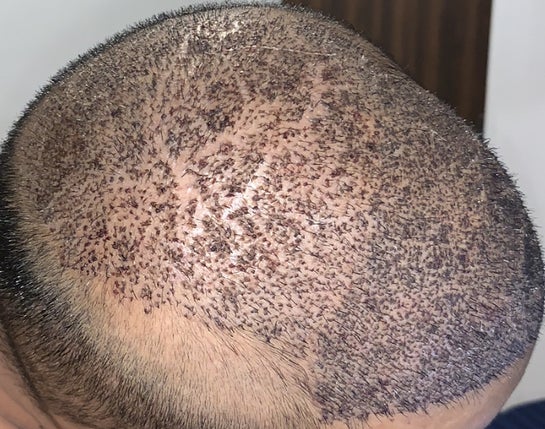
Day 1–3: Immediate Post-Procedure Phase

  • Mild swelling on forehead or scalp

  • Tiny scabs around implanted grafts

  • Redness in donor and recipient areas

  • Tightness or slight discomfort

During this stage, grafts are delicate. Avoid touching, scratching, or washing unless instructed.

Days 4–7: Scab Formation and Early Healing

Scabbing is a normal part of hair transplant recovery.

  • Scabs begin drying and naturally falling off

  • Itching may increase

  • Swelling subsides

Gentle washing techniques are usually introduced during this phase to soften and remove scabs safely.


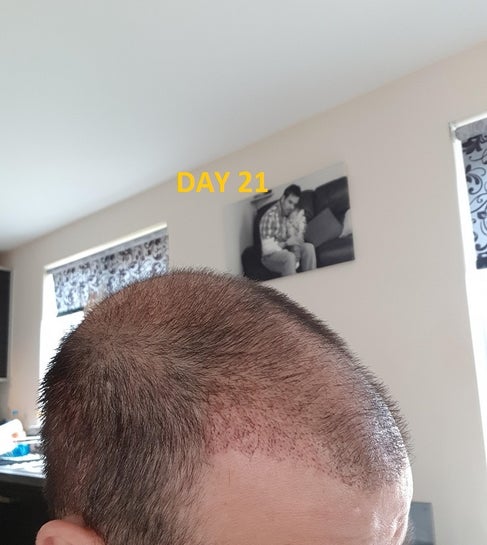
Week 2–4: Shedding Phase (Shock Loss)

This is where many patients panic.

The transplanted hairs often shed within the first month. This is a completely expected part of hair transplant recovery.

Important to know:

  • The hair shaft falls out

  • The follicle remains intact

  • New growth begins underneath the skin

This phase is temporary and not a sign of failure.


Months 2–3: Resting Phase

The scalp may look similar to pre-surgery appearance.

  • Minimal visible growth

  • Donor area continues healing

  • Numbness gradually resolves

Patience is essential during this part of hair transplant recovery.


Months 4–6: Early Visible Growth

New hairs begin to emerge.

  • Fine, thin strands appear

  • Density gradually improves

  • Texture may initially feel soft or wiry

Around 50–60% of results may be visible during this stage.


Months 9–12: Final Results

Most patients see full outcomes within 9–12 months.

  • Hair thickens

  • Density improves

  • Styling becomes easier

For crown areas, complete hair transplant recovery and growth may take up to 15 months.

Understanding Swelling, Redness, and Discomfort

Temporary side effects are normal during hair transplant recovery.

Common Short-Term Symptoms

  • Forehead swelling (peaks day 2–3)

  • Mild bruising

  • Scalp sensitivity

  • Temporary numbness

These typically resolve within one to two weeks.

Severe pain, pus, or persistent swelling should be reported immediately.


Hair transplant recovery After FUE vs FUT

There are two main techniques:

  • FUE (Follicular Unit Extraction)

  • FUT (Follicular Unit Transplantation)

FUE Recovery

  • Faster healing

  • Tiny dot scars

  • Minimal stitches

FUT Recovery

  • Linear scar at donor site

  • Slightly longer healing time

  • Sutures removed after 10–14 days

While timelines differ slightly, overall hair transplant recovery follows similar growth phases.


Essential Aftercare Instructions

Proper care significantly improves graft survival and accelerates hair transplant recovery.

First 10 Days

  1. Sleep with head elevated

  2. Avoid direct sun exposure

  3. Do not wear tight caps

  4. Avoid gym and sweating

  5. Follow prescribed medication schedule

First Month

  • Avoid swimming pools

  • Avoid smoking

  • Use mild shampoo only

  • Do not use hair styling products

Following medical guidance ensures stronger follicle retention.


When Can You Return to Work?

Most patients resume office work within 3–5 days.

However:

  • Visible redness may last 1–2 weeks

  • Physical labor should be delayed

  • Strenuous exercise should wait at least 3–4 weeks

Planning social and professional commitments around hair transplant recovery reduces stress.

When Can You Cut or Style Hair?

  • Donor area trimming: After 2–3 weeks

  • Full haircut: After 1 month

  • Hair dye: After 6–8 weeks

Early chemical exposure may disrupt hair transplant recovery, so patience is key.


Warning Signs During Hair transplant recovery

While complications are rare, watch for:

  • Persistent bleeding

  • Severe swelling beyond 5 days

  • Fever

  • Foul discharge

  • Increasing pain

Early medical intervention prevents serious issues.


Factors That Influence Hair transplant recovery

Several variables affect healing and results:

  • Surgeon expertise

  • Technique used

  • Smoking habits

  • Medical conditions

  • Post-operative compliance

Choosing a licensed and regulated facility is crucial.

In Dubai, surgeons should be licensed by the Dubai Health Authority (DHA).

DHA certification ensures:

  • Verified medical credentials

  • Regulated surgical standards

  • Strict infection control

  • Patient safety protocols

This is a vital safety measure when undergoing hair restoration procedures.


Does Hair transplant recovery Hurt?

Pain levels are usually mild.

  • Local anesthesia prevents procedural pain

  • Post-operative soreness is manageable

  • Tightness may occur in donor area

Most patients describe discomfort as tolerable and short-lived.


Tips to Speed Up Hair transplant recovery

While healing follows a natural timeline, you can optimize it by:

  • Staying hydrated

  • Eating protein-rich foods

  • Avoiding alcohol

  • Managing stress

  • Following all aftercare instructions

Do not attempt home remedies unless approved by your surgeon.


Psychological Expectations During Recovery

It is normal to experience emotional ups and downs.

  • Initial excitement

  • Concern during shedding

  • Impatience during resting phase

  • Confidence boost when growth begins

Understanding the timeline reduces anxiety about hair transplant recovery.

Frequently Asked Questions

Initial healing takes 10–14 days. Final results appear between 9–12 months.

Yes. Shock loss is a natural phase of hair transplant recovery and does not indicate failure.

Light walking is allowed early, but intense workouts should wait 3–4 weeks.

DHA certification is approval from the Dubai Health Authority. It ensures surgeons meet strict licensing, safety, and hygiene standards, protecting patients from unregulated practices.


No. The transplanted follicles are permanent and genetically resistant to hair loss.

Conclusion: Patience Is Key to Successful Hair transplant recovery

The journey of hair transplant recovery requires patience, proper aftercare, and realistic expectations.

Healing happens in phases:

  • Scabbing

  • Shedding

  • Resting

  • Growth

  • Maturation

Understanding this timeline prevents unnecessary worry and improves satisfaction.

Always choose a DHA-certified facility, follow your surgeon’s instructions closely, and maintain a healthy lifestyle.

If you are exploring other aesthetic procedures, you may also find our guides on beard transplant procedures, PRP hair therapy, and non-surgical hair restoration treatments helpful for comprehensive understanding.

A well-planned recovery leads to natural, long-lasting, and confidence-restoring results.