Liposuction is one of the most popular cosmetic procedures worldwide, renowned for its ability to sculpt and contour the body. Many patients wonder: Are liposuction results permanent, and will my body shape truly change forever?
Understanding the factors that influence liposuction results, including patient lifestyle, surgical technique, and post-operative care, is essential for achieving lasting outcomes. This guide explores what liposuction can—and cannot—do for body shape, the science behind fat removal, recovery, and long-term maintenance.
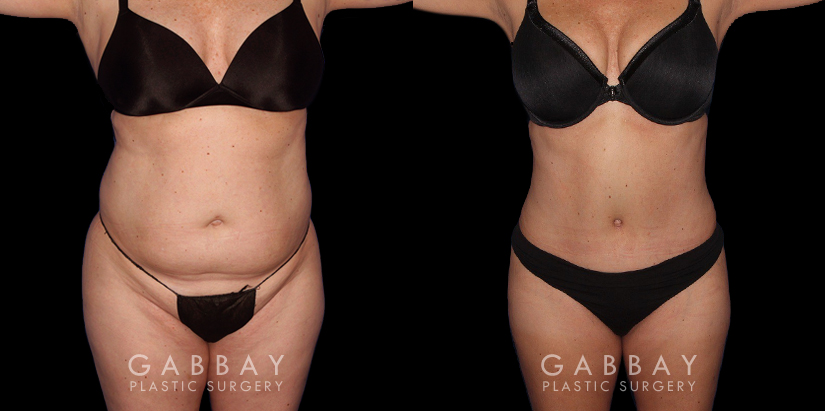
How Liposuction Results Transform the Body
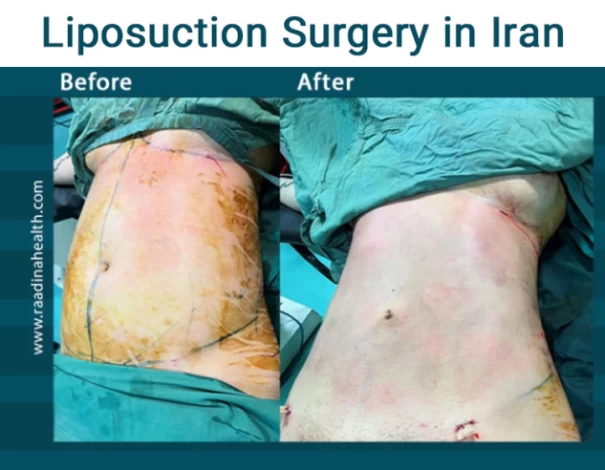
Liposuction is a fat removal procedure designed to target localized fat deposits that resist diet and exercise. By removing fat cells from specific areas, the body’s contours become smoother and more proportionate.
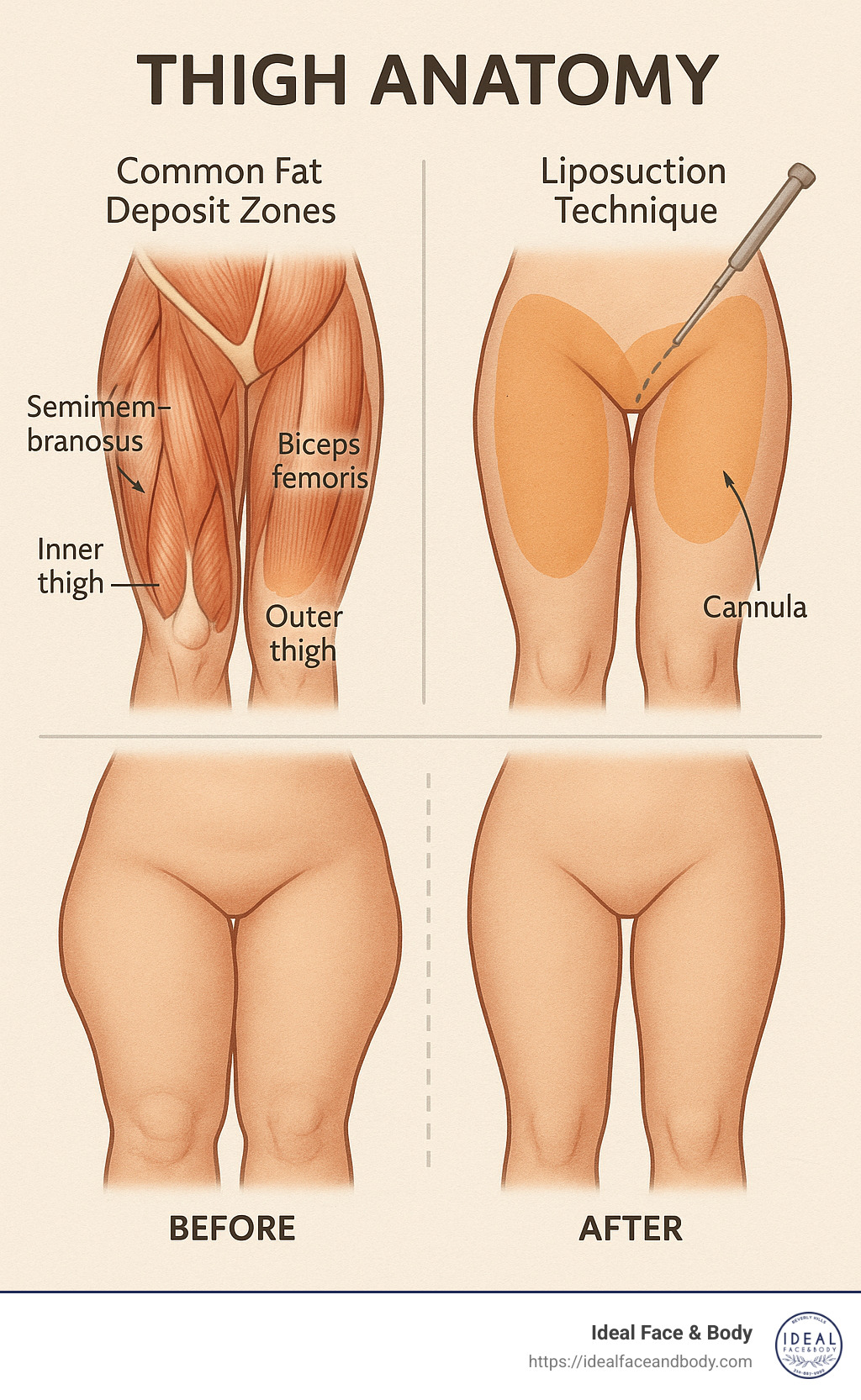
Areas Commonly Treated
Abdomen
Flanks (love handles)
Thighs
Arms
Back
Chin and neck
Liposuction results depend on patient anatomy, surgical technique, and the amount of fat removed.
Do Liposuction Results Permanently Remove Fat Cells?
Yes—but with nuances.
The fat cells removed during liposuction do not regenerate.
Areas treated will have fewer fat cells, which can lead to a more sculpted appearance.
However, remaining fat cells in treated and untreated areas can expand if weight is gained.
This means that while liposuction results are permanent in terms of cell removal, lifestyle habits play a crucial role in maintaining the body shape.
Factors That Affect Longevity of Liposuction Results
Several factors determine how long liposuction results last:
Post-surgery Lifestyle
Balanced diet
Regular exercise
Weight management
Number of Areas Treated
Skin Elasticity
Aging and Hormonal Changes
Even with perfect technique, liposuction cannot prevent natural weight gain in other areas.
How to Maintain Liposuction Results Long-Term
Maintaining your liposuction results requires commitment:
Follow a balanced diet with moderate calories
Engage in regular cardiovascular and strength training exercises
Avoid drastic weight fluctuations
Attend follow-up appointments with your surgeon
Patients who maintain a stable weight typically enjoy long-lasting liposuction results.
Recovery and How It Affects Results
Recovery is a key factor in achieving optimal liposuction results.
Typical Recovery Timeline
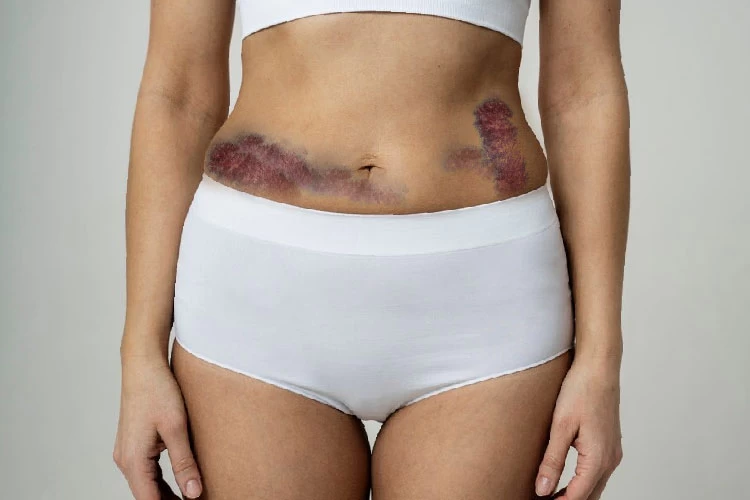
Day 1–3: Swelling, bruising, mild discomfort
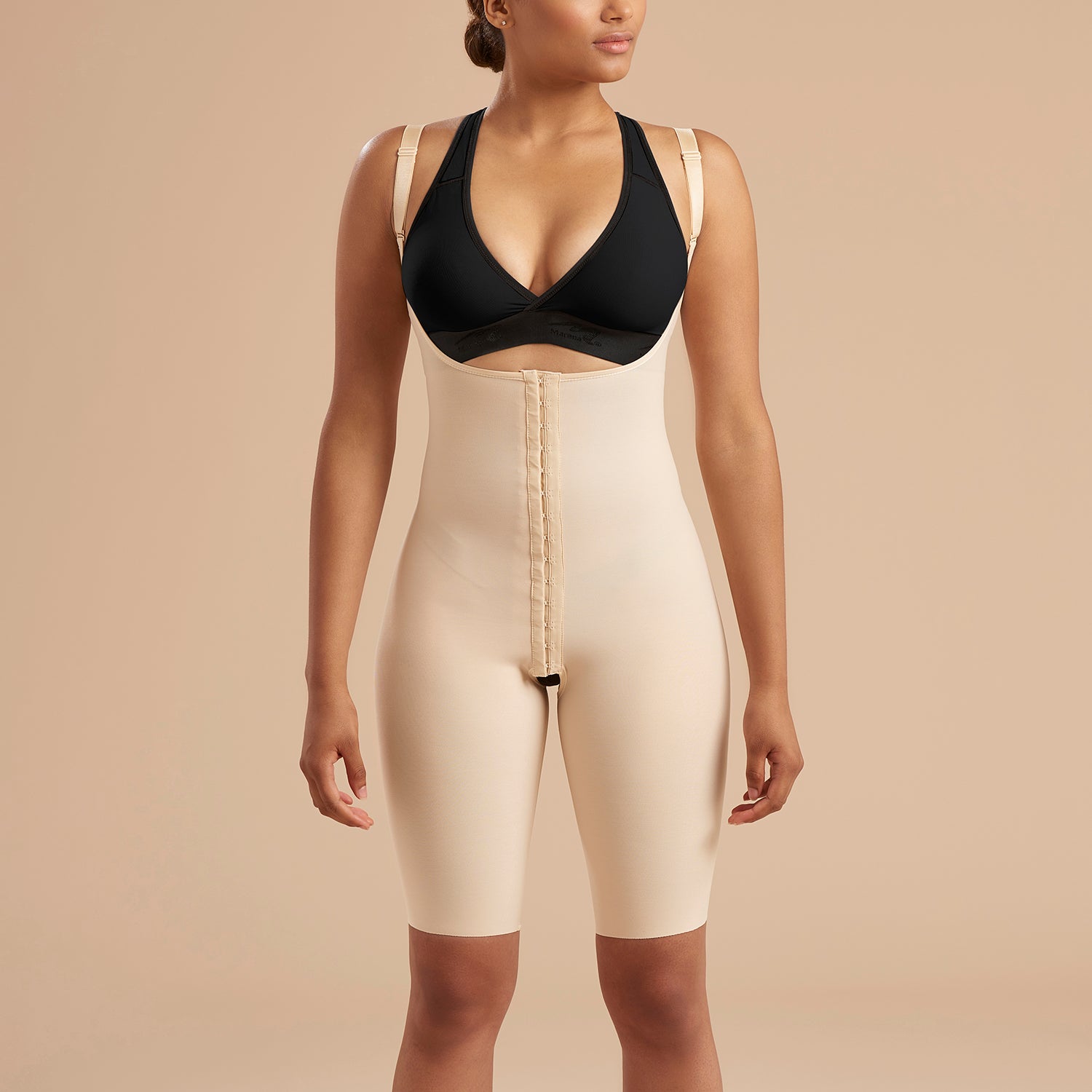
Week 1–2: Light walking encouraged, compression garment worn
Weeks 3–6: Swelling decreases, results become more visible
Months 3–6: Final body contours settle
Following aftercare instructions carefully ensures fat cells heal properly and reduces irregularities.
Types of Liposuction and Their Impact on Results
Different techniques can affect how predictable and permanent liposuction results are:
Tumescent Liposuction
Laser-Assisted Liposuction
Uses laser energy to liquefy fat
May promote mild skin tightening
Suitable for delicate areas
VASER Liposuction
Choosing the right technique with a DHA-certified surgeon maximizes long-term satisfaction.
Importance of Choosing a DHA-Certified Surgeon
Safety and expertise are crucial for permanent liposuction results.
In Dubai, surgeons must be licensed by the Dubai Health Authority (DHA). This ensures:
Verified medical qualifications
Accredited operating facilities
Strict infection control protocols
Patient safety compliance
A DHA-certified surgeon reduces risks, ensures accurate fat removal, and optimizes contour outcomes.
Risks and Considerations Affecting Results
Even when performed safely, liposuction carries some risks that can influence results:
Patient adherence to post-operative instructions greatly impacts long-term results.
Can Liposuction Replace Weight Loss?
No. Liposuction is not a weight-loss procedure.
It is designed to:
Patients should approach liposuction after achieving a stable weight for the best long-term results.