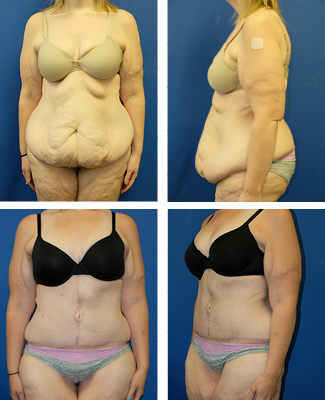
The mini abdominoplasty procedure is a refined version of a traditional tummy tuck designed to correct mild to moderate lower abdominal concerns. It targets excess skin and small fat deposits below the belly button, offering a flatter, smoother contour without the extensive dissection required in a full abdominoplasty.
For patients struggling with stubborn lower abdominal laxity—often after pregnancy or moderate weight loss—the mini approach can provide effective improvement with shorter scars and faster recovery. Understanding the details of the mini abdominoplasty procedure helps patients make informed decisions about candidacy, safety, and realistic expectations.
mini abdominoplasty procedure: What It Involves
The mini abdominoplasty procedure focuses exclusively on the area below the navel. Unlike a full tummy tuck, the belly button is typically not repositioned, and muscle tightening is limited to the lower abdominal wall when needed.
Key Surgical Steps
Anesthesia Administration
Local anesthesia with sedation or general anesthesia is used depending on patient needs.
Low Horizontal Incision
A small incision is made just above the pubic area, similar to a C-section scar.
Removal of Excess Skin and Fat
Loose skin and localized fat deposits are carefully removed.
Limited Muscle Tightening (If Required)
Mild lower abdominal muscle laxity can be corrected.
Skin Re-draping and Suturing
Remaining skin is tightened and sutured for a smooth contour.
Because the surgical field is smaller, the mini abdominoplasty procedure is less invasive than a full tummy tuck.
Who Is an Ideal Candidate?
The best candidates for the mini abdominoplasty procedure typically:
Have mild skin laxity below the navel
Maintain a stable weight
Do not require extensive muscle repair
Have good skin elasticity
Are in overall good health
This treatment is not intended for major weight loss. Patients with significant loose skin or upper abdominal laxity may require a full abdominoplasty instead.
Differences Between Mini and Full Abdominoplasty
Understanding the distinction helps patients choose appropriately.
Mini Approach
Full Abdominoplasty
Longer incision
Treats upper and lower abdomen
More extensive muscle repair
Navel repositioning required
The mini abdominoplasty procedure is ideal when concerns are limited to the lower abdominal area.
Benefits of Mini Abdominoplasty
Patients choose the mini abdominoplasty procedure for several reasons:
Because tissue dissection is limited, complications may be lower compared to more extensive procedures.
Recovery After Mini Abdominoplasty
Recovery is generally smoother compared to a full tummy tuck.
First Week
Weeks 2–3
Reduced swelling
Increased mobility
Return to desk work
Weeks 4–6
Light exercise resumes
Most swelling resolves
Although recovery is quicker, following post-operative instructions is crucial after the mini abdominoplasty procedure.
Risks and Possible Complications
As with any surgery, potential risks include:
Swelling and bruising
Temporary numbness
Minor asymmetry
Infection (rare)
Fluid accumulation
Selecting an experienced surgeon significantly reduces these risks.
Importance of DHA Certification
In Dubai, patients should ensure their surgeon is licensed by the Dubai Health Authority (DHA).
DHA certification ensures:
Verified medical qualifications
Accredited surgical facilities
Strict hygiene and anesthesia protocols
Compliance with safety standards
Choosing a DHA-certified provider for the mini abdominoplasty procedure enhances patient safety and improves outcomes.
Preparing for Surgery
Proper preparation contributes to smoother recovery.
Pre-Surgical Recommendations
Maintain stable body weight
Stop smoking at least 4 weeks prior
Avoid blood-thinning medications
Arrange post-operative assistance
Thorough consultation ensures realistic expectations before undergoing the mini abdominoplasty procedure.
How Long Do Results Last?
Results are long-lasting when patients:
The skin and muscle tightening achieved through the mini abdominoplasty procedure can remain stable for many years.
Combining Procedures
Some patients combine this surgery with:
Combining treatments should always be evaluated carefully to ensure safety.