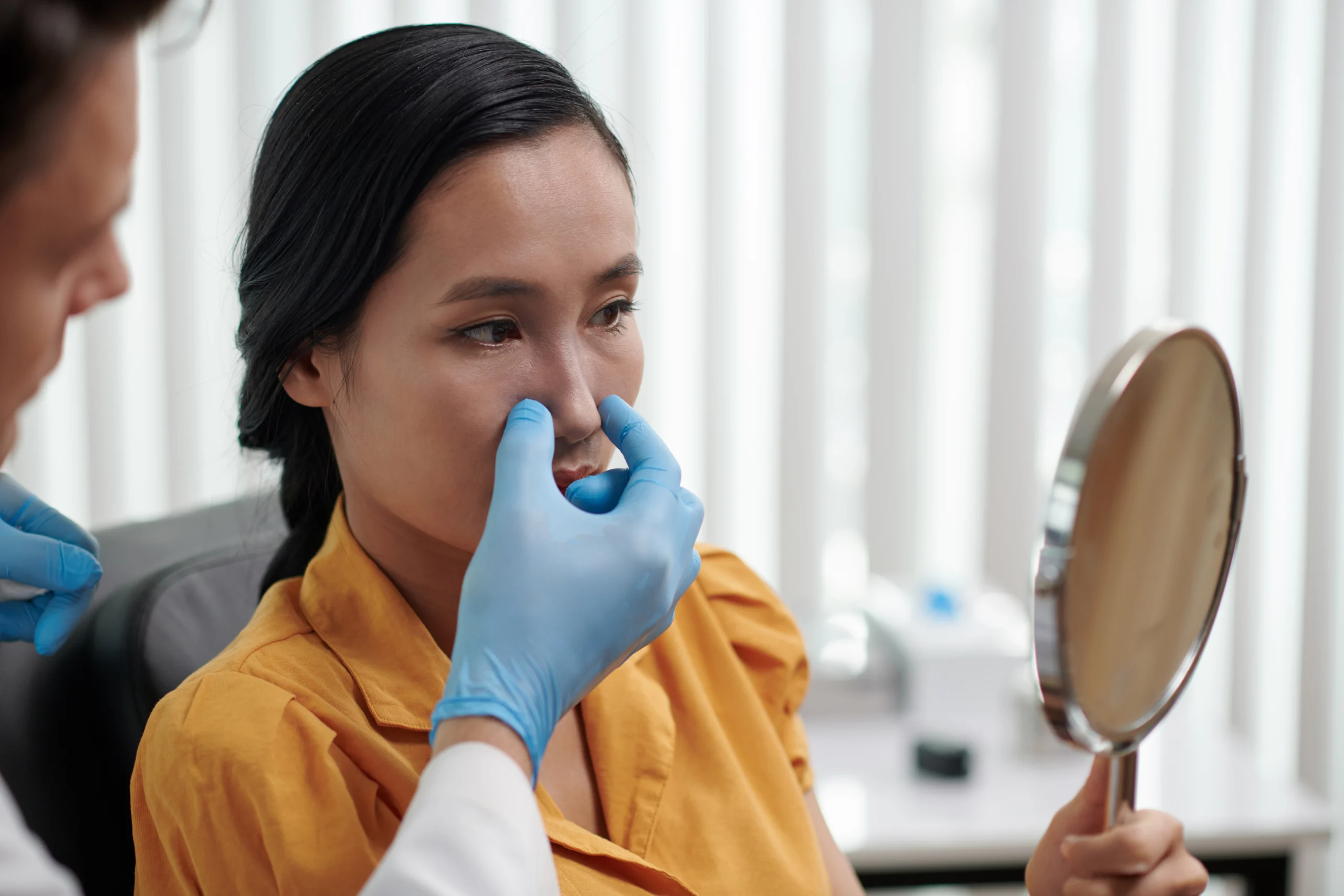
Rhinoplasty is one of the most technically demanding procedures in plastic surgery, requiring precision, artistry, and a deep understanding of nasal anatomy. While many patients achieve excellent outcomes after their initial surgery, some may require additional treatment due to cosmetic concerns, structural changes, functional breathing problems, or healing variations. In these situations, Revision Rhinoplasty Dubai offers a highly specialized solution for restoring both nasal appearance and function.
Unlike primary rhinoplasty, Revision Rhinoplasty Dubai is considerably more complex because the surgeon must work with altered anatomy, scar tissue, previous surgical modifications, and, in some cases, limited remaining cartilage. The objective is not only to improve aesthetics but also to rebuild the nasal framework while preserving or restoring proper breathing.
This comprehensive guide explains the complexities of Revision Rhinoplasty Dubai, including why revision surgery may be necessary, how it differs from primary rhinoplasty, available surgical techniques, recovery expectations, and the importance of selecting an experienced facial plastic surgeon.
Revision Rhinoplasty Dubai: Understanding Secondary Nose Surgery
Revision rhinoplasty, also known as secondary rhinoplasty, is performed after a previous nose surgery when additional correction is required.
The procedure may address:
- Cosmetic irregularities
- Structural collapse
- Nasal asymmetry
- Breathing difficulties
- Scar-related deformities
- Unsatisfactory previous outcomes
Every revision procedure is unique because no two noses heal in exactly the same way.
Revision Rhinoplasty Dubai: Why Patients Seek Revision Surgery
There are many reasons why patients consider revision rhinoplasty.
Cosmetic Concerns
Some patients remain dissatisfied with:
- Nasal shape
- Tip definition
- Bridge contour
- Symmetry
- Overall facial balance
Revision surgery focuses on improving harmony while maintaining natural facial proportions.
Functional Problems
Previous surgery may occasionally affect nasal airflow.
Patients may experience:
- Difficulty breathing
- Nasal obstruction
- Internal valve collapse
- External valve weakness
Functional reconstruction can often be incorporated into revision surgery.
Healing Variations
Even well-performed rhinoplasty may heal differently than expected due to:
- Scar formation
- Tissue contraction
- Individual healing response
These changes sometimes require surgical refinement.
Revision Rhinoplasty Dubai: Why Revision Surgery Is More Complex
Revision rhinoplasty presents unique surgical challenges.
Scar Tissue
Previous surgery creates scar tissue that alters normal anatomy.
Reduced Cartilage Availability
Cartilage removed during the first operation may need to be replaced using grafts.
Distorted Anatomy
Normal landmarks may have changed following the initial procedure.
Higher Surgical Precision
Every adjustment must preserve both nasal support and breathing function.
Because of these factors, Revision Rhinoplasty Dubai requires advanced expertise and meticulous planning.
Revision Rhinoplasty Dubai: Common Conditions Corrected
Revision surgery can improve a wide range of concerns.
Nasal Tip Problems
Examples include:
- Drooping tip
- Over-rotated tip
- Wide tip
- Pinched tip
- Asymmetry
Bridge Irregularities
The procedure may correct:
- Dorsal irregularities
- Residual hump
- Saddle nose deformity
- Uneven bridge contour
Breathing Difficulties
Structural reconstruction may improve:
- Nasal valve collapse
- Septal problems
- Airflow obstruction
Crooked Nose
Revision surgery may restore better alignment while maintaining facial balance.
Revision Rhinoplasty Dubai: Comprehensive Preoperative Assessment
Successful revision surgery begins with careful evaluation.
The surgeon assesses:
- Previous surgical history
- Nasal skin thickness
- Scar tissue
- Internal nasal structures
- Cartilage support
- Facial proportions
- Breathing function
Advanced planning helps reduce surgical uncertainty.
Revision Rhinoplasty Dubai: Cartilage Grafting Techniques
One of the defining aspects of revision rhinoplasty is structural reconstruction.
Common graft sources include:
Septal Cartilage
If available, remaining septal cartilage may be used.
Ear Cartilage
Auricular cartilage provides flexible support for selected corrections.
Rib Cartilage
For extensive reconstruction, rib cartilage offers larger structural grafts.
These grafts help rebuild support while maintaining natural contours.
Revision Rhinoplasty Dubai: Open vs Closed Revision Rhinoplasty
The surgical approach depends on the complexity of correction.
Open Revision Rhinoplasty
Provides:
- Excellent visualization
- Better access to scar tissue
- Greater precision
- Improved structural reconstruction
Most complex revision cases are performed using this approach.
Closed Revision Rhinoplasty
May be appropriate for carefully selected patients requiring limited correction.
The surgeon determines the most suitable technique after evaluation.
Revision Rhinoplasty Dubai: Recovery Timeline
Healing after revision rhinoplasty often requires patience.
First Week
Patients commonly experience:
- Swelling
- Bruising
- Nasal congestion
- Mild discomfort
A nasal splint may remain in place during early recovery.
Weeks 2–6
Patients often notice:
- Reduced bruising
- Improved breathing
- Gradual reduction in swelling
Most normal activities can gradually resume.
Months 3–12
The nose continues refining as:
- Scar tissue softens
- Swelling resolves
- Nasal definition improves
Final results may take up to a year or longer in complex revision cases.
Revision Rhinoplasty Dubai: Who Is an Ideal Candidate?
Suitable candidates generally include individuals who:
- Are dissatisfied with previous rhinoplasty
- Have stable overall health
- Have realistic expectations
- Have completed healing from prior surgery
Most surgeons recommend waiting approximately 12 months after primary rhinoplasty before considering revision, unless medically necessary.
Revision Rhinoplasty Dubai: Safety Considerations
Patient safety remains the highest priority.
Important factors include:
- Thorough consultation
- Experienced rhinoplasty surgeon
- Comprehensive breathing assessment
- Realistic surgical planning
- Appropriate postoperative care
Revision procedures require greater technical expertise than primary rhinoplasty.
Revision Rhinoplasty Dubai: Choosing an Experienced Surgeon
Successful revision surgery depends heavily on surgeon experience.
Look for expertise in:
- Facial anatomy
- Structural rhinoplasty
- Cartilage grafting
- Functional nasal surgery
- Complex revision procedures
Choosing a surgeon experienced in revision cases significantly improves the likelihood of achieving balanced and functional outcomes.
Revision Rhinoplasty Dubai: Why Dubai Is a Leading Destination
Dubai has become an international destination for advanced facial plastic surgery because of:
- Modern healthcare infrastructure
- Highly trained plastic surgeons
- Advanced surgical technologies
- Comprehensive patient care
- High medical standards
Patients considering Revision Rhinoplasty Dubai often benefit from access to specialized expertise in both cosmetic and reconstructive nasal surgery.
Maintaining Long-Term Results After Revision Rhinoplasty
Although surgical improvements are designed to be long-lasting, proper care supports optimal healing.
Recommendations include:
- Protect the nose from trauma
- Attend scheduled follow-up visits
- Avoid smoking during healing
- Follow all postoperative instructions
- Maintain realistic expectations during recovery
Patience is essential because revision healing takes longer than primary rhinoplasty.