
Septoplasty
Septoplasty is a corrective surgical procedure designed to straighten a deviated nasal septum, improve airflow, relieve breathing difficulties, and restore facial harmony
Septoplasty Restore Comfortable Breathing with Precision Nasal Surgery

What Is Septoplasty?
Septoplasty is a surgical procedure that corrects a deviated or crooked nasal septum — the cartilage and bone dividing the nasal cavity. A deviated septum can cause nasal obstruction, difficulty breathing, snoring, sleep disturbances, recurrent sinus infections, and reduced quality of life.
The procedure realigns the septum to improve airflow and enhance nasal function while preserving the natural shape of the nose. Septoplasty is ideal for individuals seeking both functional improvement and aesthetic balance without altering the external appearance of the nose.
Septoplasty
Why Choose Cocoona
Cocoona’s nasal surgery combines precision, safety, and expertise:
- DHA-Certified Surgeons
Skilled in advanced septoplasty and rhinology techniques. - Comprehensive Nasal Assessment
Personalized surgical planning based on anatomy, airflow, and functional requirements. - Minimally Invasive Techniques
Reduced trauma, faster recovery, and optimized results. - Safety & Comfort Priority
State of the art facilities, expert anesthesia, and strict safety protocols.
Transparent Consultation & Aftercare Step by step guidance before, during, and after surgery.
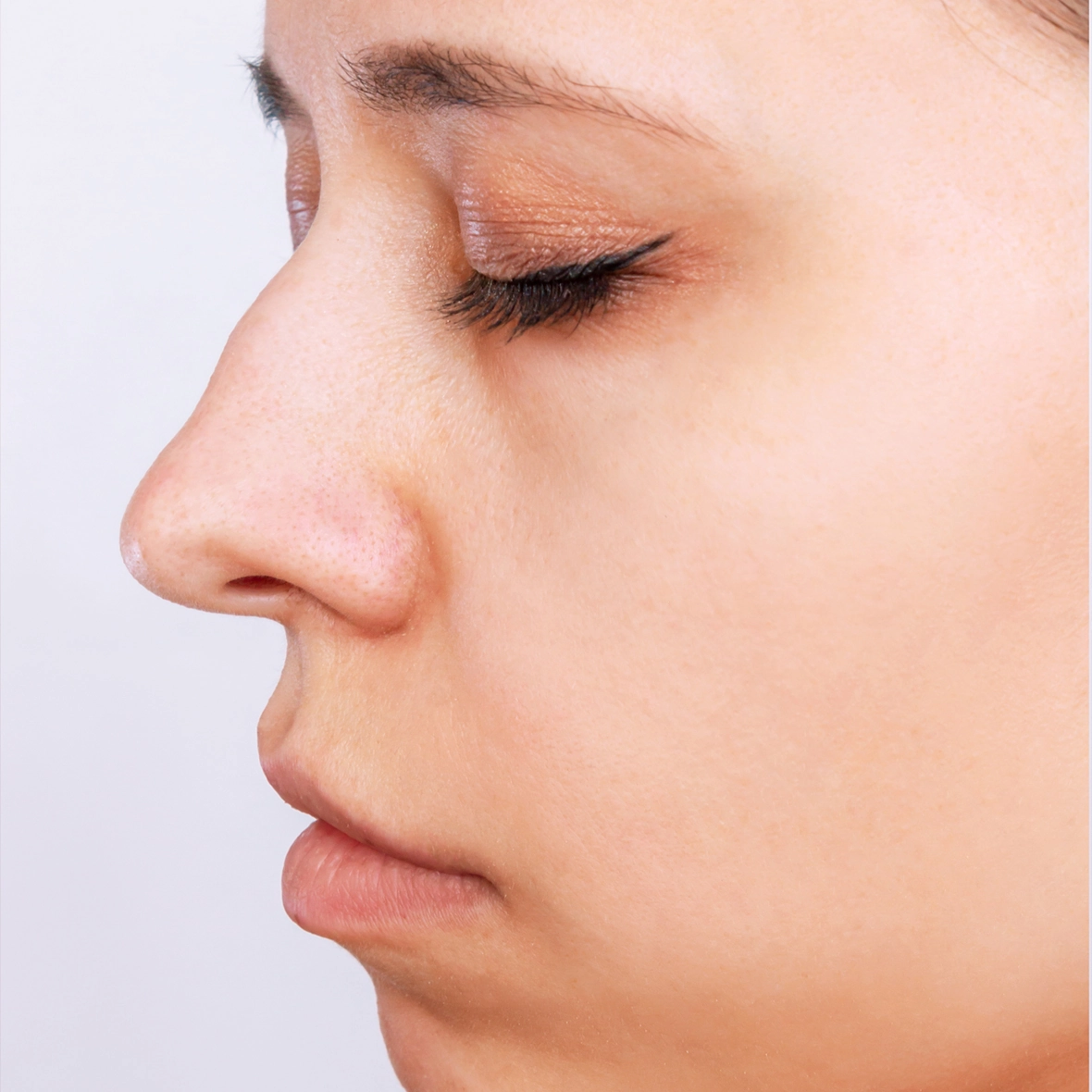
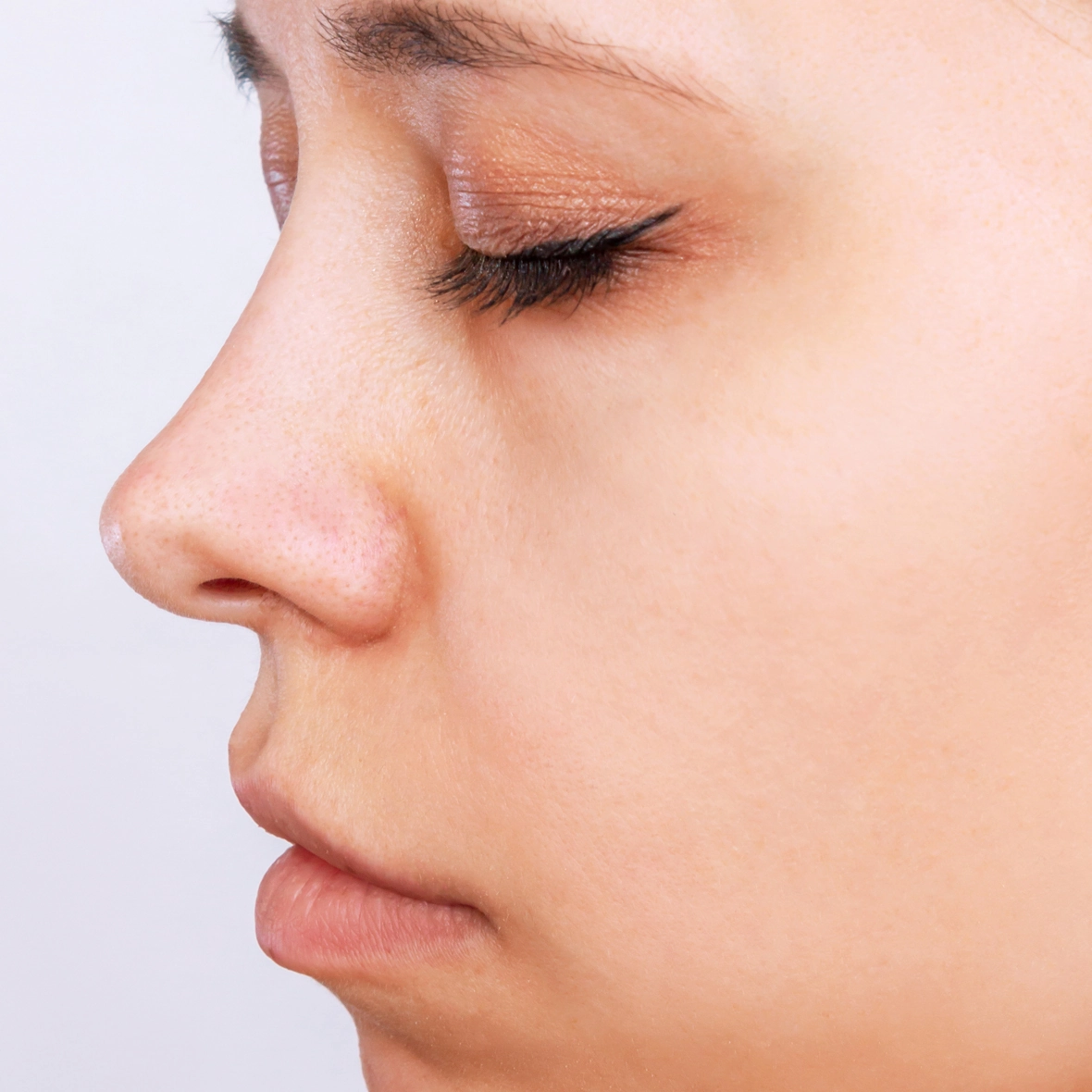
Types of Rhinoplasty Procedures
- Open Rhinoplasty
Open rhinoplasty involves a small, discreet incision at the base of the nose, allowing enhanced visibility and precision. This approach is ideal for complex nasal reshaping, major structural corrections, and detailed rhinoplasty tip reshaping for refined results. - Closed Rhinoplasty
Closed rhinoplasty is performed through internal nasal incisions, leaving no visible external scars. It is suitable for mild to moderate corrections and typically offers reduced swelling and faster recovery. - Functional Rhinoplasty
Functional rhinoplasty focuses on improving nasal airflow and breathing while maintaining or enhancing the appearance of the nose. It is often combined with septoplasty to correct a deviated septum and restore proper nasal function. - Cosmetic Rhinoplasty
Cosmetic rhinoplasty is designed to enhance the size, shape, and symmetry of the nose. It can correct concerns such as a nasal hump, wide nasal bridge, drooping tip, or uneven proportions to achieve better facial balance. - Revision Rhinoplasty
Revision rhinoplasty is performed to improve or correct results from a previous nose surgery. This advanced procedure addresses both aesthetic and functional concerns and requires specialized surgical expertise. - Ethnic Rhinoplasty
Ethnic rhinoplasty is tailored to enhance nasal appearance while preserving the patient’s natural ethnic characteristics. The goal is to improve shape and proportion while maintaining cultural identity and facial harmony. - Tip Rhinoplasty (Nasal Tip Reshaping)
Tip rhinoplasty focuses specifically on refining the nasal tip for improved definition, projection, and contour without major changes to the nasal bridge.
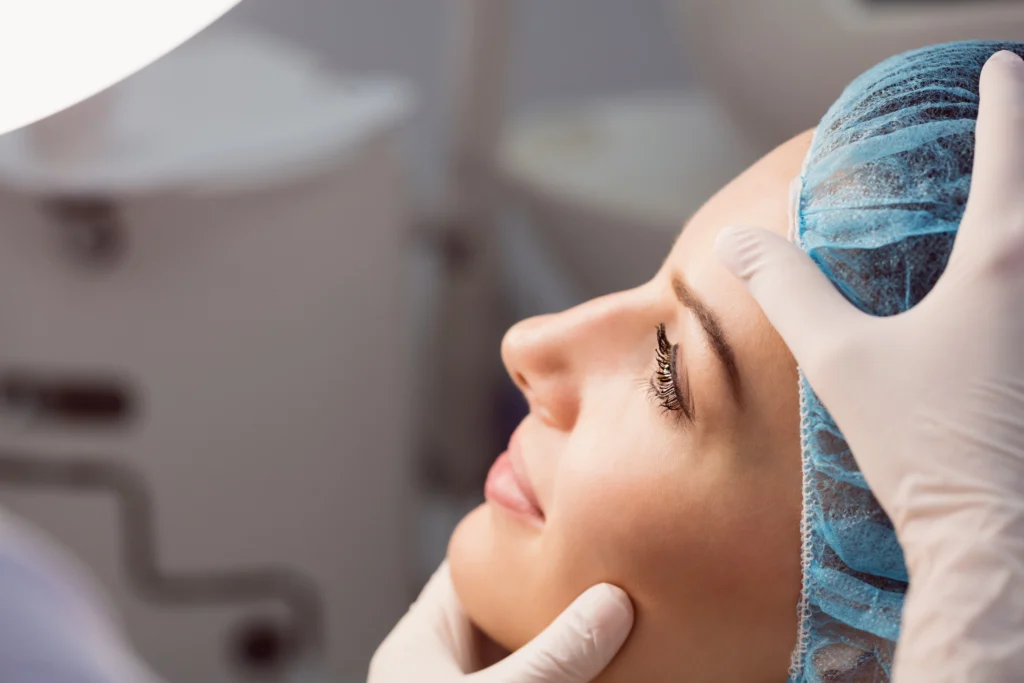
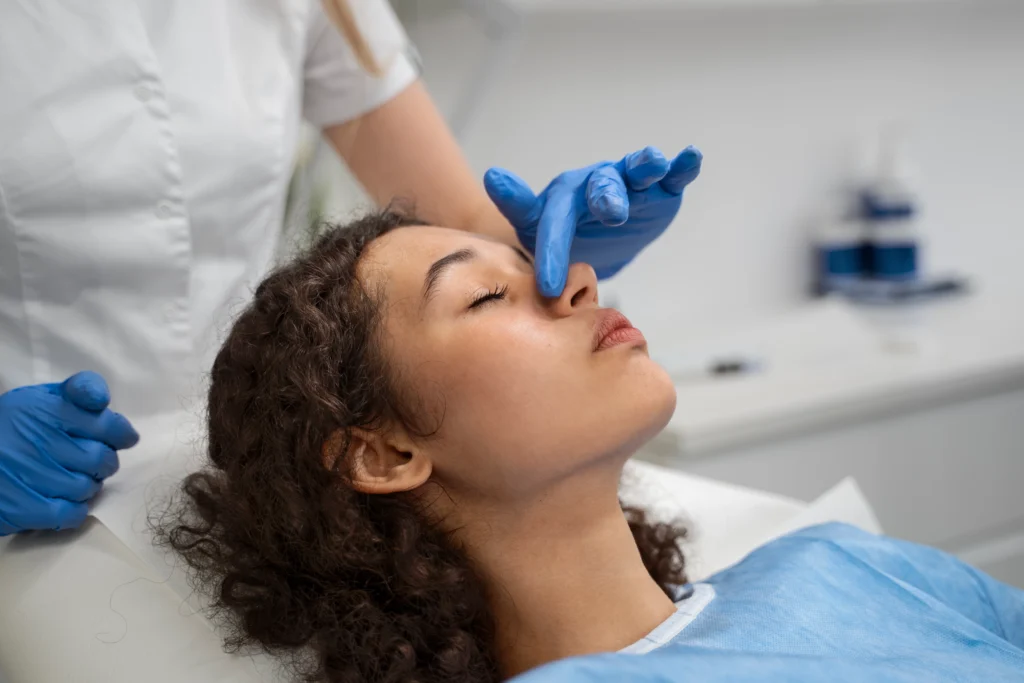
Benefits of Septoplasty
- Restored unobstructed nasal airflow
- Relief from chronic nasal congestion, snoring, and sinus infections
- Improved sleep quality and overall well-being
- Maintains natural appearance of the nose
Septoplasty Procedure
What to Expect?
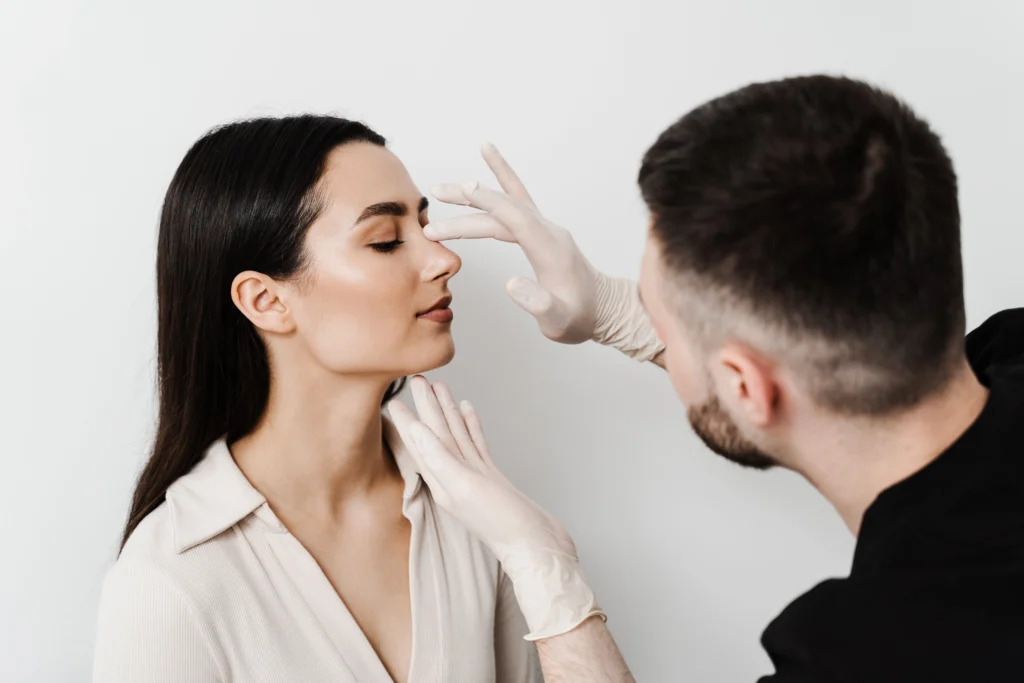
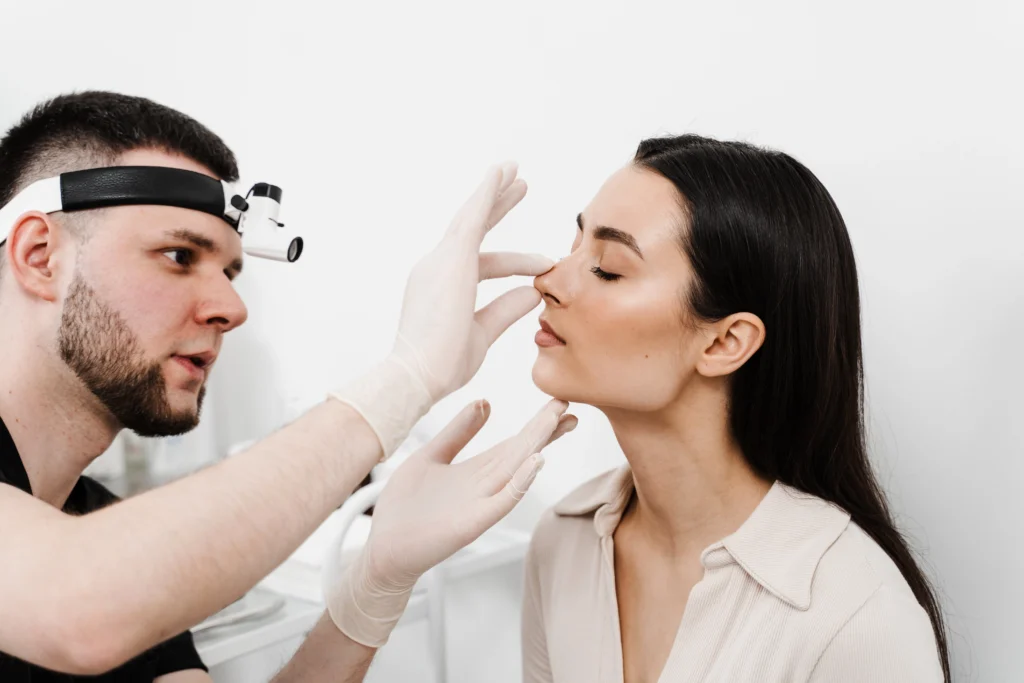
- Consultation & Assessment
Surgeons evaluate nasal anatomy, septum deviation, breathing patterns, and patient goals. - Surgical Day
erformed under local or general anesthesia, incisions are made inside the nose, ensuring no visible scarring. - Septum Realignment
Excess cartilage or bone is reshaped, repositioned, or removed to straighten the septum. - Precision and Stabilization
Internal splints or stitches maintain structural support during healing. - Recovery & Aftercare
Mild swelling and congestion are managed with medications, rest, and follow-up care. - Follow-Up Visits
Monitor healing, ensure improved airflow, and evaluate long-term outcomes.
Who Is a Good Candidate for Septoplasty?
- Individuals with a deviated or crooked septum
- Those experiencing nasal obstruction, snoring, or sinus issues
- Patients seeking functional improvement without altering nose appearance
- Individuals in good overall health
Patients with realistic expectations for improved breathing and comfort
Frequently Asked Questions
Is rhinoplasty safe?
Yes. When performed by DHA-certified surgeons in a fully equipped medical facility, rhinoplasty is considered a safe and effective procedure. Strict surgical protocols, advanced techniques, and comprehensive pre- and post-operative care help ensure patient safety, comfort, and optimal outcomes.
How long is recovery?
Most patients can return to light daily activities within 7–14 days. Swelling and bruising gradually improve over the first few weeks, while subtle swelling may continue to resolve over several months. Final, refined results typically become visible as healing progresses.
Will there be visible scars?
In most cases, rhinoplasty incisions are placed inside the nose, leaving no visible external scars. If an open rhinoplasty approach is required, any external incision is small, discreet, and carefully positioned to heal with minimal visibility over time.
Does rhinoplasty affect breathing?
Yes. Functional rhinoplasty can significantly improve nasal airflow and breathing by correcting structural issues such as a deviated septum or internal nasal valve problems. This can enhance both appearance and nasal function
Can rhinoplasty be combined with other procedures?
Yes. Rhinoplasty is commonly combined with procedures such as chin augmentation, septoplasty, or facial contouring to improve overall facial harmony and balance. Your surgeon will recommend the best combination based on your facial structure and aesthetic goals.
Is rhinoplasty painful?
Most patients experience mild to moderate discomfort, which is well controlled with prescribed medications. Swelling, congestion, and tenderness are normal during the early healing phase and gradually improve over time.
When will I see the final results?
Initial improvements are noticeable once swelling begins to subside within the first few weeks. However, the nose continues to refine, and final results can take up to 9–12 months to fully develop, especially at the nasal tip.
Are your surgeons DHA-certified?
Yes. All rhinoplasty procedures at Cocoona are performed by DHA-certified specialists with extensive experience in both cosmetic and functional nose surgery, ensuring the highest standards of safety, precision, and natural-looking results.
Evaluation Form
Shape Your Nose with Precision & Confidence
Transform the balance and harmony of your face with Rhinoplasty at Cocoona, a safe, customized, and advanced solution for refined nasal aesthetics and function.