
Advanced Wound Healing Techniques
Advanced Wound Healing Techniques provide specialized medical treatments for complex, slow-healing, or chronic wounds, helping restore healthy tissue, reduce infection risk, and support faster recovery.
What Are Advanced Wound Healing Techniques?
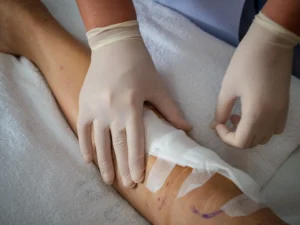
Advanced Wound Healing Techniques are modern medical treatments designed to manage complex wounds that do not heal through standard care. These techniques use specialized procedures, advanced dressings, and surgical solutions to promote tissue regeneration and reduce complications.
Chronic wounds can occur due to diabetes, poor circulation, infections, trauma, or surgical complications. When traditional treatments are not effective, Advanced Wound Healing Techniques help stimulate the body’s natural healing process and protect the wound from further damage.
At Cocoona Clinic, patients benefit from evidence-based treatments performed by experienced specialists who focus on restoring healthy tissue and improving overall recovery outcomes.
Diabetic Foot Ulcer Treatment
Diabetic foot ulcers are open sores or wounds that commonly develop on the feet of people with diabetes. They occur mainly due to poor blood circulation, nerve damage (neuropathy), and reduced ability to fight infections. If left untreated, these ulcers can become severe and may lead to serious complications.
At Cocoona Clinic, our specialists perform a comprehensive evaluation of the ulcer, including circulation assessment, infection screening, and tissue examination. Treatment may involve wound cleaning, specialized dressings, pressure relief techniques, and medications to promote healing. In some cases, advanced therapies are used to improve blood flow and tissue repair. Early and proper treatment significantly reduces the risk of infection, tissue damage, and potential amputation.
Infection Control
Infection is one of the most common factors that delays wound healing and can quickly worsen a wound’s condition. Bacteria can enter the wound and spread into surrounding tissues, causing swelling, pain, and further tissue damage.
Our infection control approach focuses on rapid identification and elimination of harmful bacteria. This may include laboratory testing, targeted antibiotics, and advanced wound cleaning procedures. Strict sterile techniques and regular monitoring ensure that the infection is controlled effectively. By eliminating infection early, the wound environment becomes healthier, allowing the body to repair damaged tissue more efficiently and reducing the risk of serious complications.
Dead Tissue Removal (Debridement)
Chronic wounds often contain necrotic or dead tissue, which prevents healthy tissue from forming and creates an ideal environment for bacterial growth. Removing this dead tissue is essential for proper wound healing.
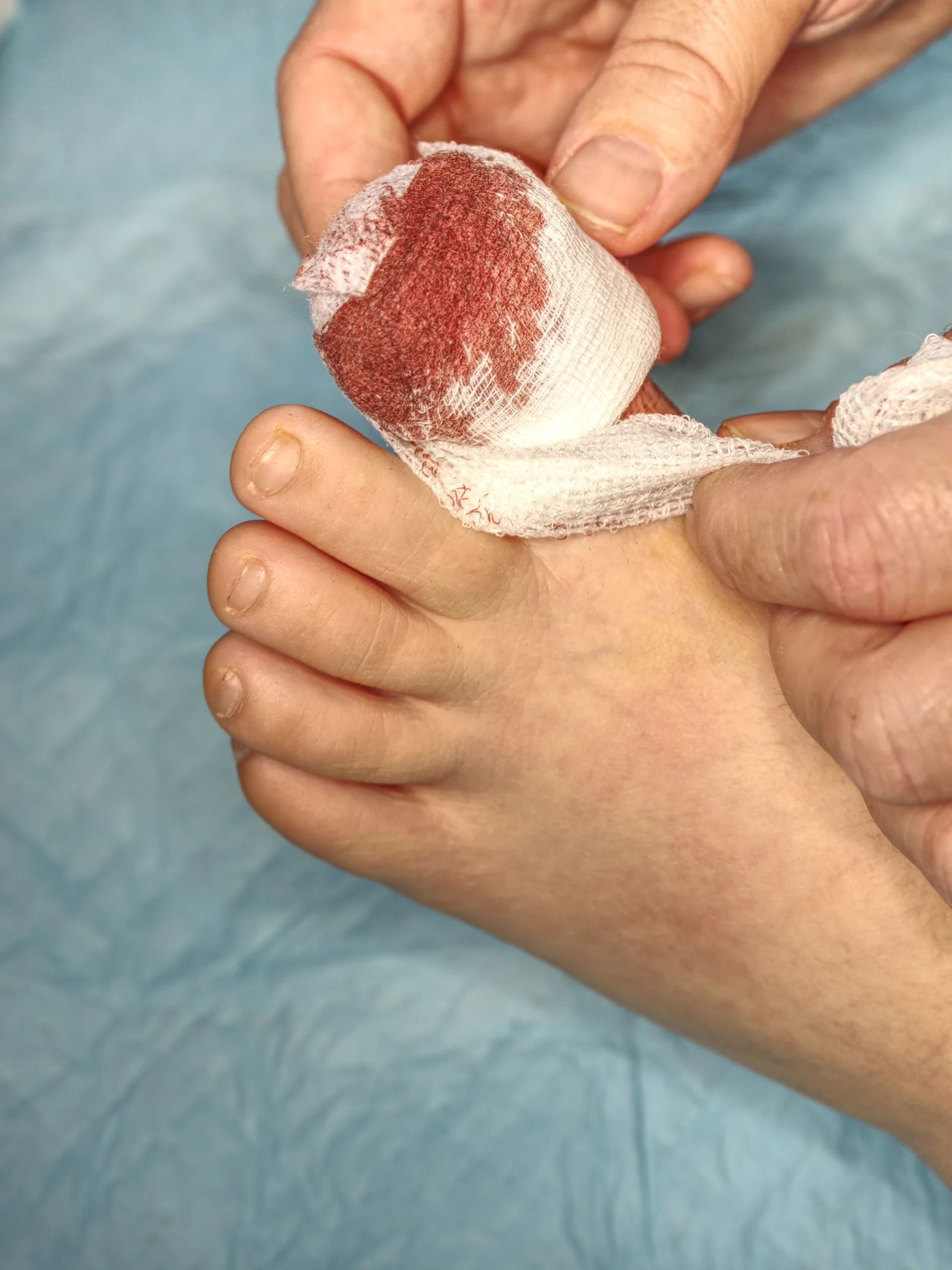
Debridement is a specialized medical procedure that removes damaged or infected tissue from the wound. Depending on the condition of the wound, the process may be performed through surgical methods, specialized medical instruments, or advanced wound care techniques. Once the unhealthy tissue is removed, the wound is able to regenerate healthy cells and heal more effectively. Debridement also reduces infection risk and improves the effectiveness of other wound treatments.
Advanced Wound Dressings
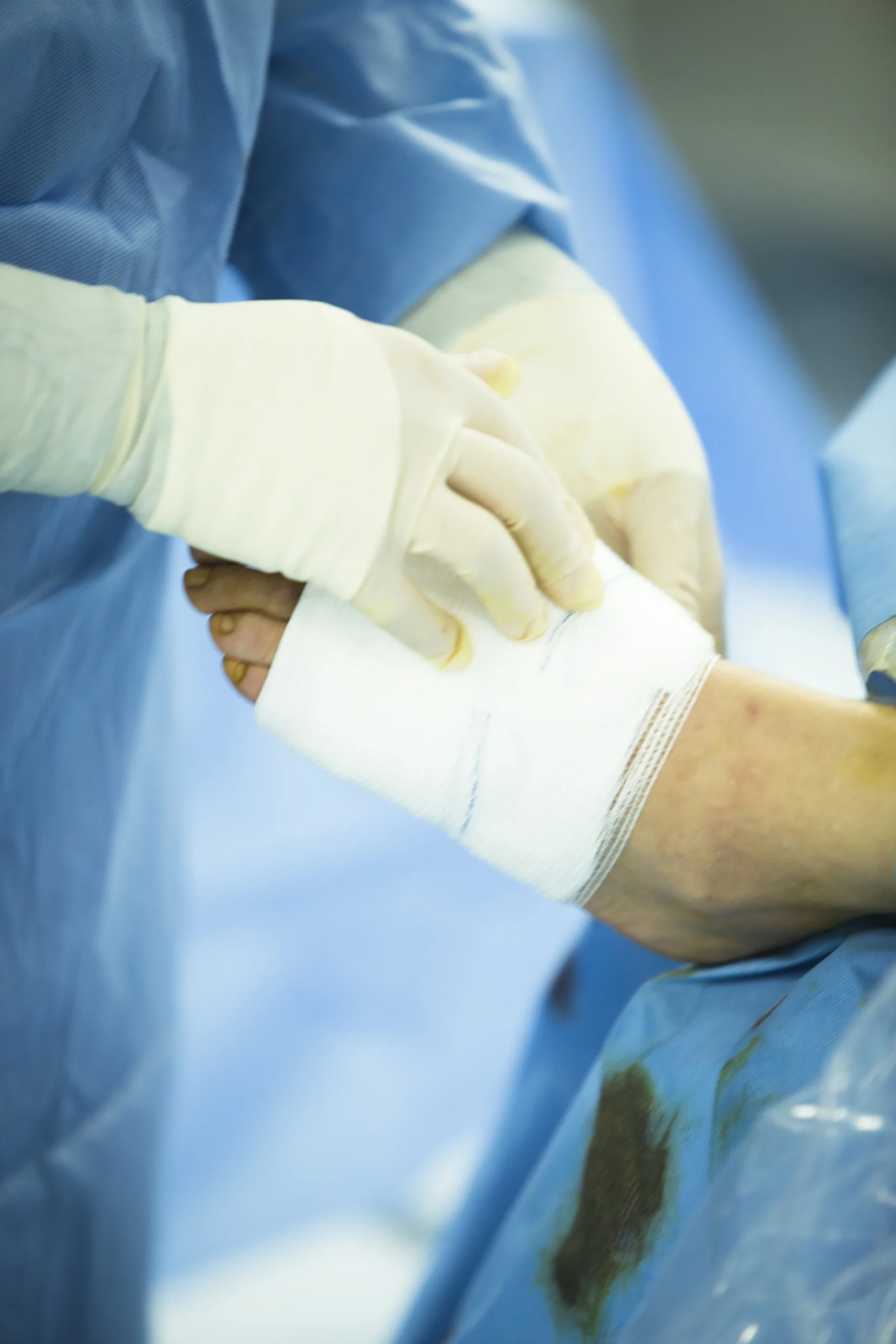
Modern wound care has evolved beyond traditional bandages. Advanced wound dressings are designed to create the ideal healing environment for complex or chronic wounds.
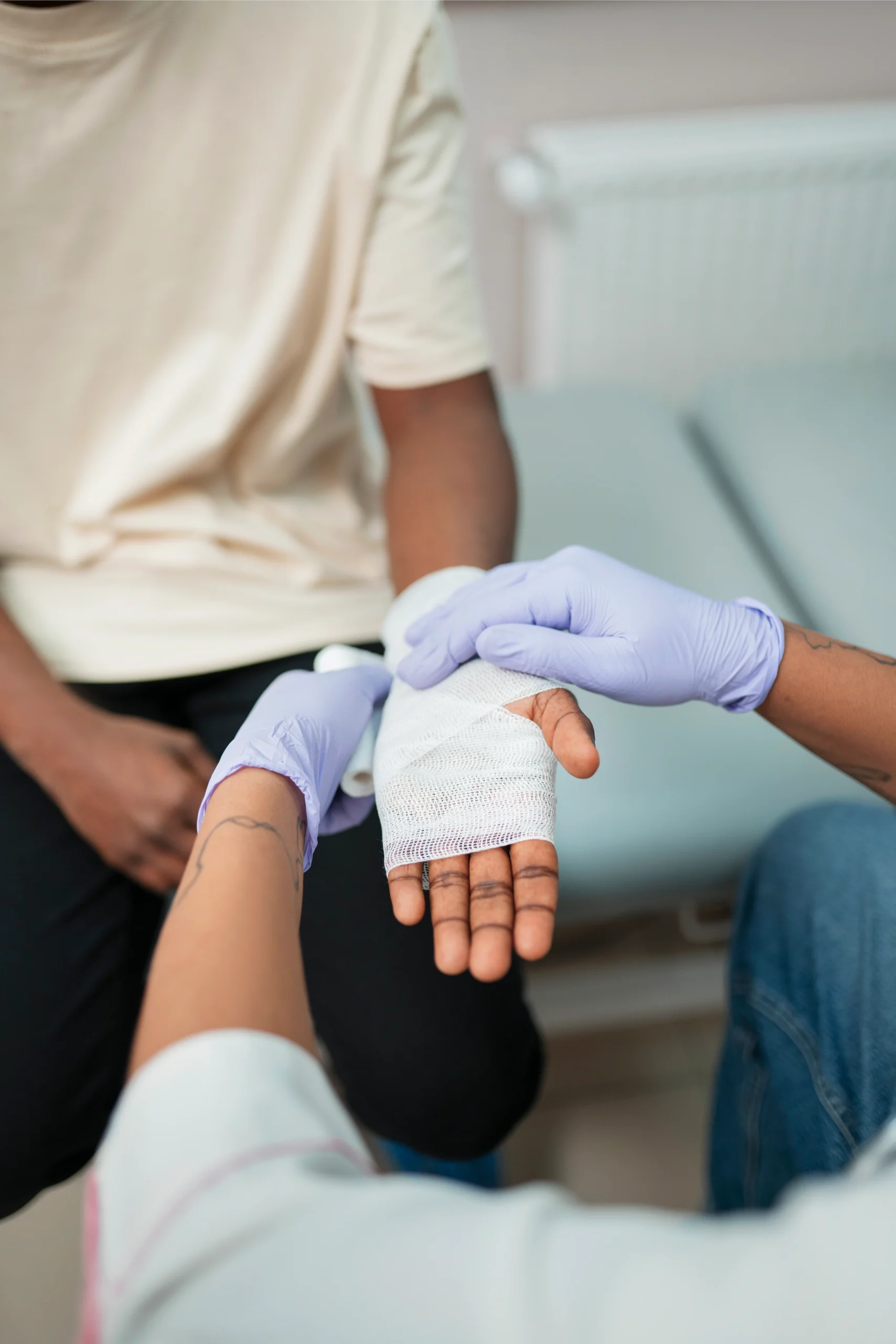
These specialized dressings help maintain the right moisture balance, protect the wound from bacteria, and promote the growth of new tissue. Some advanced dressings also contain antimicrobial properties that help prevent infection. By protecting the wound and supporting natural tissue regeneration, these dressings reduce pain, improve healing speed, and minimize the risk of further complications.
Surgical Wound Closure (If Needed)
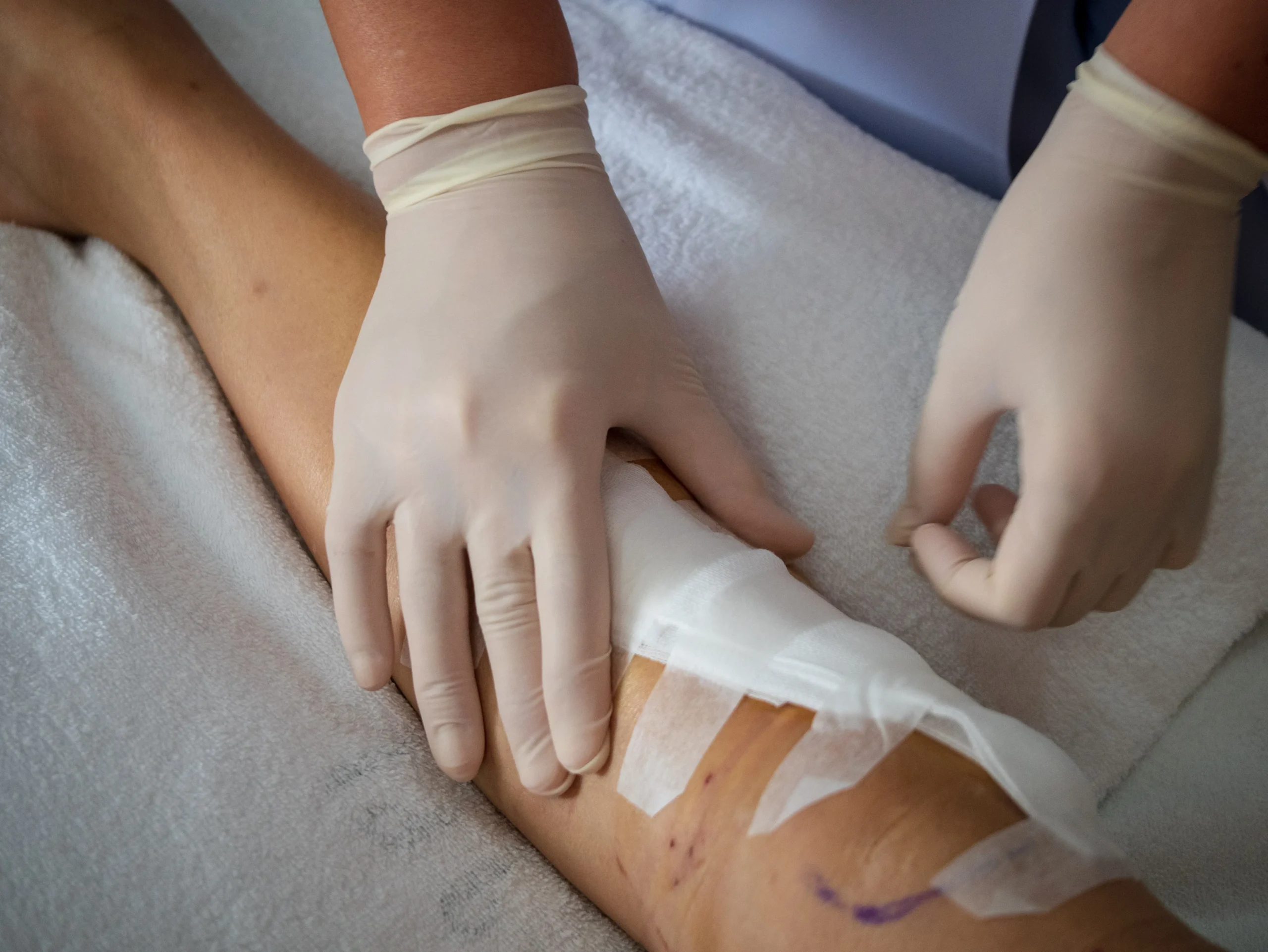
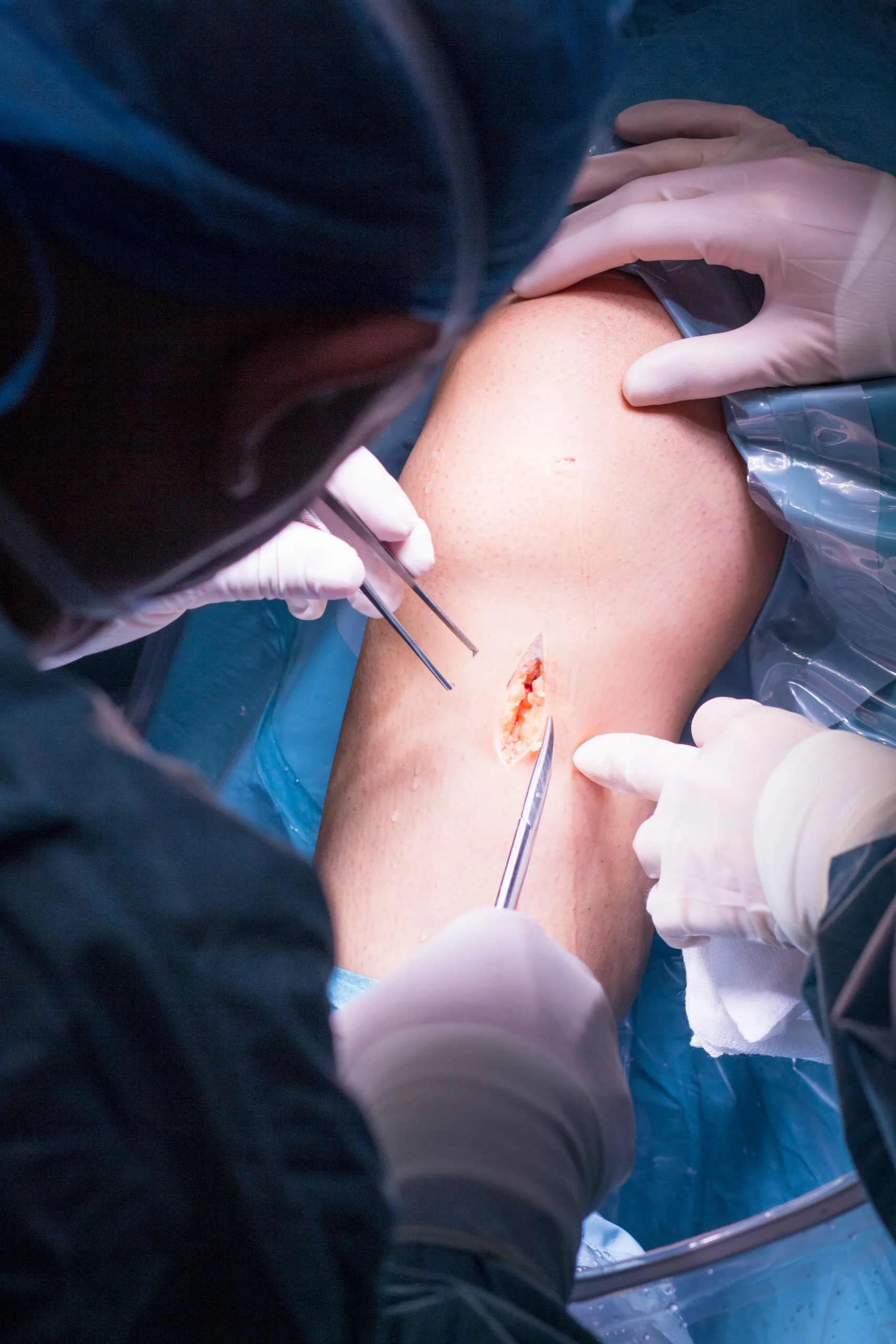
Certain wounds, especially those that are deep, large, or slow to heal, may require surgical closure to restore the integrity of the skin and underlying tissue. Surgical wound closure helps bring the wound edges together, reducing healing time and lowering the risk of infection.
Our experienced surgeons carefully evaluate the wound and determine whether surgical closure is necessary. When required, minimally invasive techniques are used to close the wound with precision, ensuring optimal healing and minimal scarring. This approach helps restore the skin’s protective barrier and supports faster recovery.
Limb Salvage Techniques
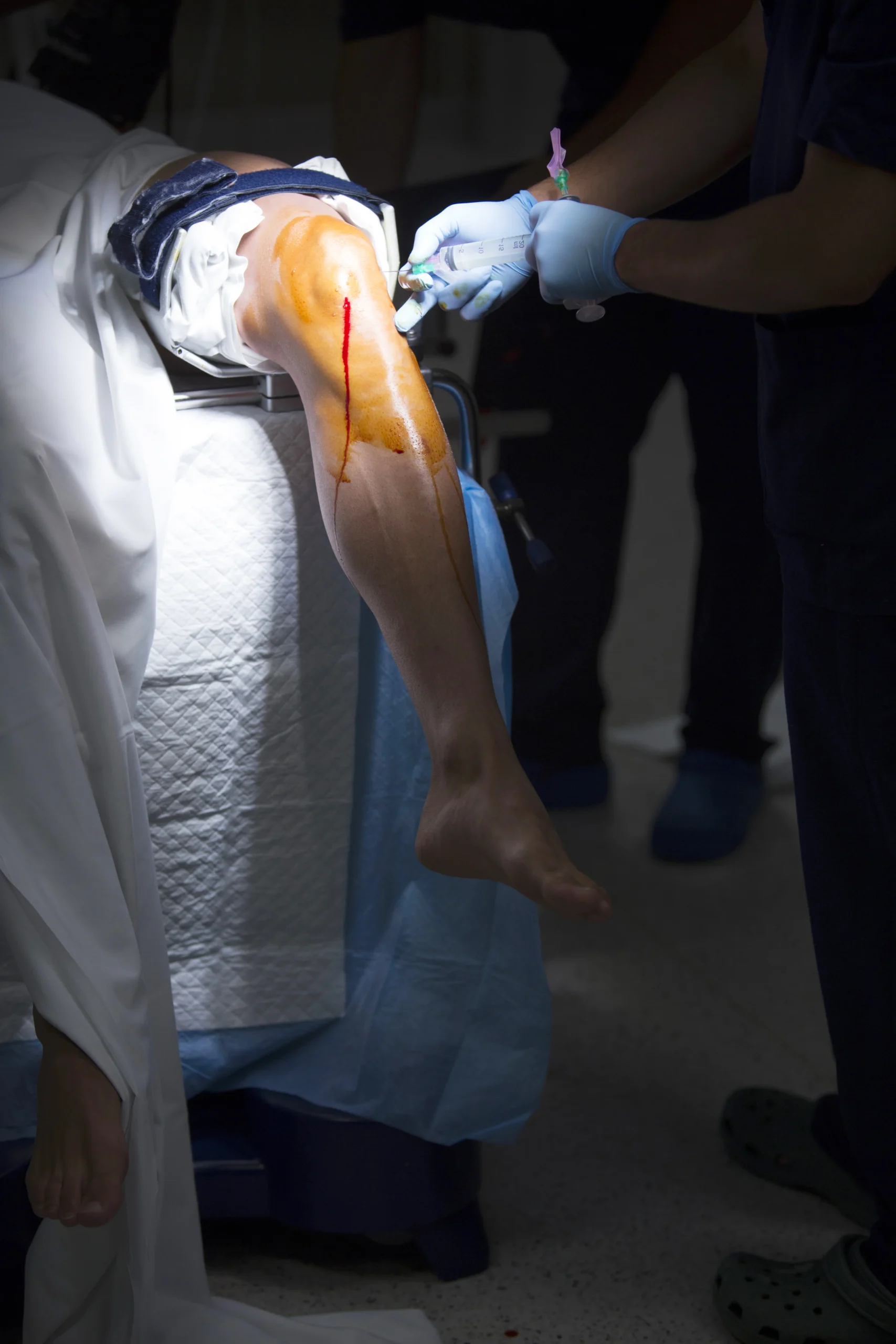
In severe cases, chronic wounds or infections can threaten the health of an entire limb. Limb salvage techniques are advanced medical and surgical procedures aimed at saving the affected limb and preventing amputation.
These techniques combine multiple treatments such as wound reconstruction, tissue repair, infection control, and improved blood circulation. By addressing the underlying causes of the wound and restoring tissue health, limb salvage procedures help preserve mobility and quality of life. Our specialists carefully monitor each patient’s condition to ensure the best possible outcome and long-term healing.